Education is entering a transformative era where resilience and self-mastery are becoming as crucial as traditional academic knowledge, reshaping how we prepare learners for an unpredictable future.

🌟 The Paradigm Shift in Modern Education
For decades, educational systems worldwide have focused predominantly on knowledge transmission—memorizing facts, passing tests, and accumulating credentials. However, the rapid acceleration of technological change, economic volatility, and social transformation has exposed a critical gap in this approach. Today’s learners need more than information; they require the psychological tools and emotional intelligence to navigate constant change, overcome setbacks, and continuously reinvent themselves throughout their lives.
The concept of resilience in education extends far beyond simply “bouncing back” from failure. It encompasses a comprehensive framework of mental flexibility, emotional regulation, growth mindset cultivation, and purposeful self-direction. When combined with self-mastery—the ability to understand, control, and optimize one’s thoughts, emotions, and behaviors—these capabilities form the foundation for unlimited potential in every learner.
Research from leading educational psychologists demonstrates that students who develop strong resilience and self-mastery skills outperform their peers not just academically, but across all life domains. They exhibit greater creativity, stronger interpersonal relationships, enhanced problem-solving abilities, and significantly higher levels of long-term wellbeing and life satisfaction.
Redefining Success Beyond Traditional Metrics
The traditional measures of educational success—standardized test scores, grade point averages, and institutional prestige—are increasingly recognized as incomplete indicators of a person’s potential. While these metrics capture certain cognitive abilities, they fail to account for the qualities that truly determine long-term success in the 21st century: adaptability, perseverance, self-awareness, and the capacity for continuous learning.
Forward-thinking educational institutions are now implementing holistic assessment frameworks that evaluate students’ development across multiple dimensions. These include measuring emotional intelligence, collaborative capabilities, creative thinking, ethical reasoning, and most importantly, their demonstrated ability to overcome challenges and maintain forward momentum despite obstacles.
This shift represents a fundamental reimagining of what education should accomplish. Rather than producing standardized graduates with predetermined skill sets, the goal becomes nurturing unique individuals who possess the inner resources to chart their own paths, adapt to circumstances beyond anyone’s prediction, and continuously unlock new levels of capability throughout their lives.
🧠 The Neuroscience of Resilience and Growth
Modern neuroscience has revealed fascinating insights into how the brain develops resilience and self-mastery. Neuroplasticity—the brain’s ability to reorganize itself by forming new neural connections—provides the biological foundation for these capabilities. Every time learners face challenges, persist through difficulty, and reflect on their experiences, they literally rewire their brains to become more resilient.
The prefrontal cortex, responsible for executive functions like planning, decision-making, and emotional regulation, continues developing well into a person’s mid-twenties. This extended developmental window presents enormous opportunities for educational interventions designed to strengthen these critical capacities. When students engage in deliberate practices that challenge them appropriately while providing adequate support, they build stronger neural pathways associated with resilience and self-control.
Understanding stress response systems also informs better educational design. The difference between toxic stress (which impairs learning and development) and eustress (productive challenge that promotes growth) lies primarily in the presence of supportive relationships and the learner’s sense of control. Educational environments that cultivate psychological safety, provide appropriate scaffolding, and teach stress management techniques enable students to transform potential obstacles into opportunities for growth.
Practical Frameworks for Building Self-Mastery
Self-mastery in educational contexts involves several interconnected competencies that students can systematically develop through intentional practice. These frameworks provide concrete pathways for educators to integrate these essential skills into curriculum and classroom culture.
Metacognitive Awareness Development
Metacognition—thinking about thinking—represents a cornerstone of self-mastery. Students who develop strong metacognitive skills become aware of their own learning processes, recognize their strengths and weaknesses, and strategically adjust their approaches based on what works best for them. Teaching students to regularly ask themselves questions like “What strategies am I using?” “How effective are they?” and “What might work better?” transforms them from passive recipients of instruction into active architects of their own learning.
Practical classroom applications include regular reflection journals, think-aloud protocols where students verbalize their problem-solving processes, and structured peer teaching opportunities that require students to articulate their understanding clearly. These practices make thinking visible and improvable.
Emotional Intelligence Cultivation
Emotional intelligence—the ability to recognize, understand, and manage emotions in oneself and others—directly impacts academic performance, relationship quality, and long-term wellbeing. Educational programs that explicitly teach emotion vocabulary, perspective-taking, empathy, and constructive emotional expression create learners who navigate social complexities more effectively and maintain motivation through inevitable setbacks.
Integrating emotional intelligence development requires moving beyond occasional lessons to embedding these practices throughout the school day. Morning check-ins, conflict resolution protocols, collaborative learning structures, and teacher modeling of emotional awareness all contribute to building these essential capacities.
Goal-Setting and Self-Directed Learning
Self-mastery ultimately manifests in the ability to set meaningful goals and persistently work toward them despite distractions and difficulties. Teaching students systematic goal-setting frameworks—including distinguishing between process and outcome goals, breaking large objectives into manageable steps, and regularly monitoring progress—provides them with powerful tools for directing their own development.
Implementing student-directed learning projects, personal learning plans, and portfolio assessments shifts the locus of control from external authorities to the learners themselves. This autonomy, when appropriately structured with guidance and accountability, dramatically increases intrinsic motivation and develops the self-direction capabilities essential for lifelong learning.
🚀 Technology’s Role in Personalized Resilience Building
Educational technology offers unprecedented opportunities for personalizing resilience and self-mastery development. Adaptive learning platforms can provide appropriately challenging content that maintains students in their optimal learning zone—difficult enough to require effort and growth, but not so overwhelming as to trigger helplessness.
Digital tools for mood tracking, mindfulness practice, habit formation, and progress visualization give students concrete mechanisms for developing self-awareness and self-regulation. These technologies work best when integrated into comprehensive educational approaches that combine digital tools with human connection, mentorship, and community support.
Artificial intelligence and machine learning algorithms are beginning to provide sophisticated feedback on learning patterns, suggesting personalized strategies based on individual profiles. While these technologies hold promise, educators must ensure they enhance rather than replace the human relationships that remain central to resilience development.
Creating Resilience-Centered Learning Environments
The physical and psychological environment profoundly impacts students’ capacity to develop resilience and self-mastery. Classrooms and schools that embody certain principles create conditions where these capabilities naturally flourish.
Psychological Safety as Foundation
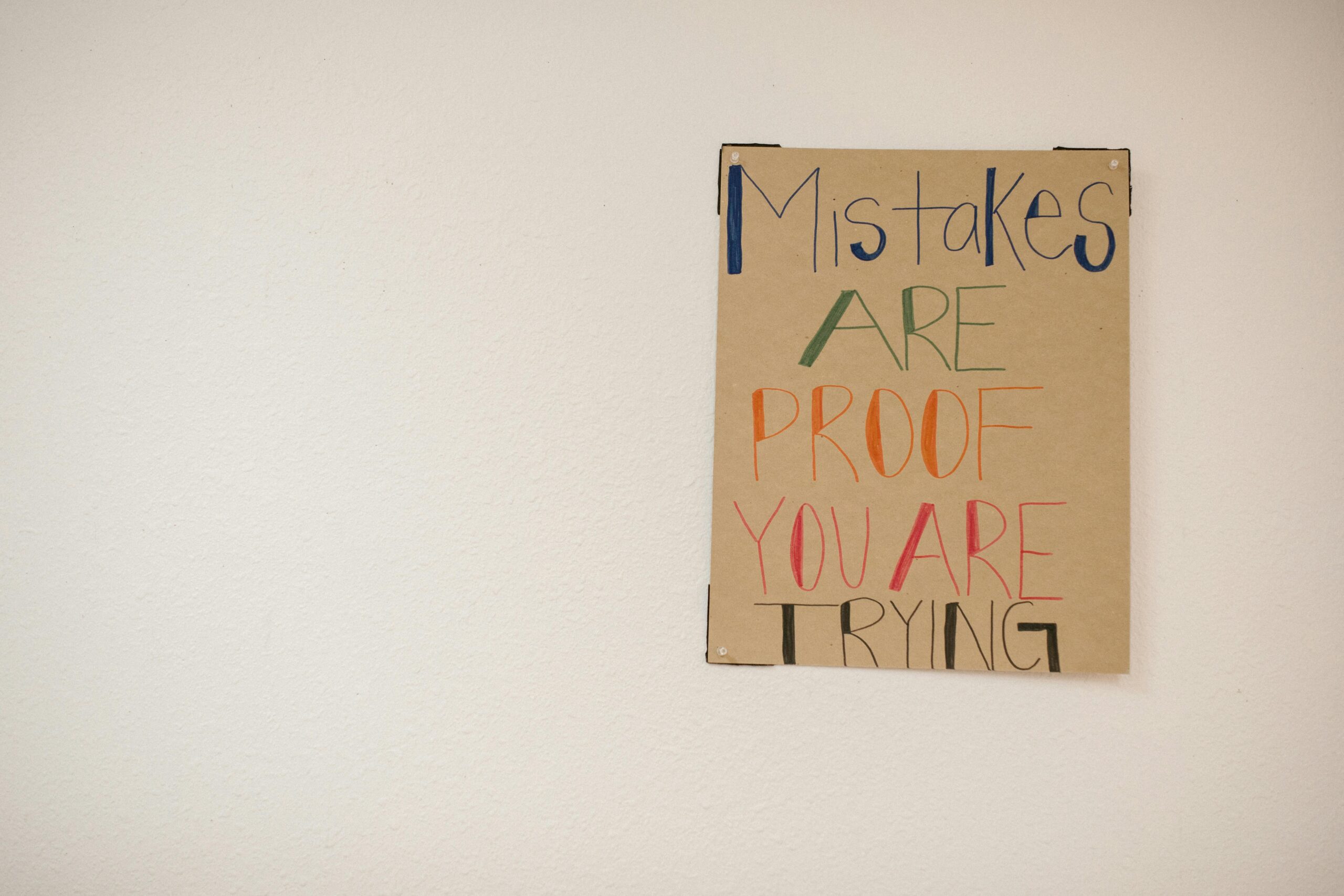
Students need to feel safe taking intellectual risks, asking questions, making mistakes, and expressing vulnerability. When classroom culture punishes errors or creates social hierarchies based on performance, students adopt self-protective strategies that prevent the authentic engagement necessary for deep learning and resilience building.
Creating psychological safety requires explicit norm-setting, consistent teacher modeling of vulnerability and growth orientation, and community agreements that value effort and learning over perfection. When students know they belong regardless of their current performance level, they access greater cognitive resources and emotional courage.
Challenge by Choice with Support
Resilience develops through facing difficulties, but not through being overwhelmed. The concept of “challenge by choice” allows students some agency in selecting their level of difficulty while ensuring they have access to appropriate support structures. This approach respects individual readiness while maintaining high expectations for growth.
Implementing differentiated instruction, providing multiple entry points to complex tasks, and creating peer support systems ensures that all students experience productive struggle rather than either boredom or debilitating frustration.
Celebration of Growth and Effort
What gets celebrated shapes what students value and pursue. Learning environments that publicly recognize perseverance, creative problem-solving, helping others, and improvement rather than only final achievements cultivate growth-oriented mindsets. Regular opportunities to reflect on and share learning journeys—including setbacks and how they were navigated—normalize struggle as part of growth.
💡 Teacher Development and Modeling
Perhaps the most critical factor in developing student resilience and self-mastery is teacher capability in these domains. Educators cannot effectively teach qualities they haven’t developed in themselves. Professional development programs increasingly recognize that teacher wellbeing, emotional intelligence, and personal resilience directly impact student outcomes.
Teachers who model growth mindset by sharing their own learning challenges, demonstrating emotional regulation during stressful moments, and exhibiting genuine curiosity provide powerful implicit lessons. When students observe adults navigating difficulty with grace and persistence, they internalize these patterns as possible for themselves.
Supporting teacher development in these areas requires systemic changes: reducing administrative burdens that create chronic stress, providing time for collaboration and reflection, offering ongoing coaching in social-emotional competencies, and creating school cultures that value educator wellbeing alongside student achievement.
Family and Community Integration
Resilience and self-mastery development cannot be confined to school hours or school walls. Family partnerships and community connections amplify and sustain the capabilities students develop in educational settings. When schools actively engage families in understanding these concepts and provide practical strategies for supporting development at home, the impact multiplies significantly.
Community mentorship programs, apprenticeship opportunities, and service learning projects expose students to diverse role models demonstrating resilience in various contexts. These real-world connections help students understand how the capabilities they’re developing translate into meaningful life outcomes.
Creating communication systems that help families understand what resilience and self-mastery look like in practice—moving beyond vague concepts to concrete behaviors and mindsets—enables more coherent support across contexts. Regular workshops, resource sharing, and two-way communication channels strengthen the home-school partnership around these essential competencies.
🎯 Measuring What Matters
If resilience and self-mastery truly represent unlimited potential, educational systems must develop meaningful ways to assess and track their development. Traditional testing approaches fail to capture these dynamic, context-dependent capabilities. Alternative assessment strategies provide richer information about student growth in these domains.
Portfolio assessments that document learning journeys over time, including reflections on challenges overcome and strategies developed, offer qualitative insights into resilience development. Self-assessment rubrics that help students evaluate their own growth in specific competencies develop metacognitive awareness while providing data about progress.
Longitudinal tracking of persistence indicators—course completion rates, re-engagement after setbacks, help-seeking behaviors, and goal attainment—provides concrete evidence of developing resilience. Combining multiple data sources creates a comprehensive picture of student development across these critical dimensions.
The Future Landscape of Resilience-Centered Education
As we look toward the coming decades, several trends suggest how resilience and self-mastery will become even more central to educational practice. The accelerating pace of change ensures that specific content knowledge will continue depreciating more rapidly, while adaptability and learning agility appreciate in value.
Personalized learning pathways enabled by technology and supported by human mentorship will allow each student to develop these capabilities at their own pace and through methods that resonate with their unique profiles. Competency-based progression systems will replace age-based cohorts, allowing students to demonstrate mastery of resilience-related skills before advancing.
Cross-institutional collaborations will create learning ecosystems that extend beyond traditional school boundaries, with students accessing diverse learning experiences from multiple providers. This portfolio approach to education will require even stronger self-direction and resilience as learners navigate more complex pathways.
🌈 Unleashing Human Potential Through Inner Development
The ultimate promise of resilience and self-mastery education lies not in producing better test-takers or more compliant workers, but in unleashing the extraordinary potential inherent in every human being. When learners develop these foundational capabilities, they become architects of their own becoming—capable of continuous transformation, meaningful contribution, and deep fulfillment regardless of external circumstances.
This vision requires courage from educational leaders willing to challenge conventional metrics and practices. It demands investment in teacher development, curriculum redesign, and assessment innovation. Most importantly, it requires belief in the fundamental capacity of all students to develop these capabilities given appropriate support and opportunity.
The transition toward resilience-centered education represents more than pedagogical innovation—it constitutes a profoundly optimistic vision of human nature and human possibility. By recognizing that potential is not fixed but cultivated, that setbacks can strengthen rather than diminish us, and that self-mastery is learnable, we open pathways for individual and collective flourishing previously unimaginable.
As educational systems worldwide embrace this transformation, we move closer to realizing the unlimited potential residing within each learner—potential that, once unlocked through resilience and self-mastery, creates ripples of positive impact extending far beyond individual lives to transform communities, organizations, and ultimately our shared future.