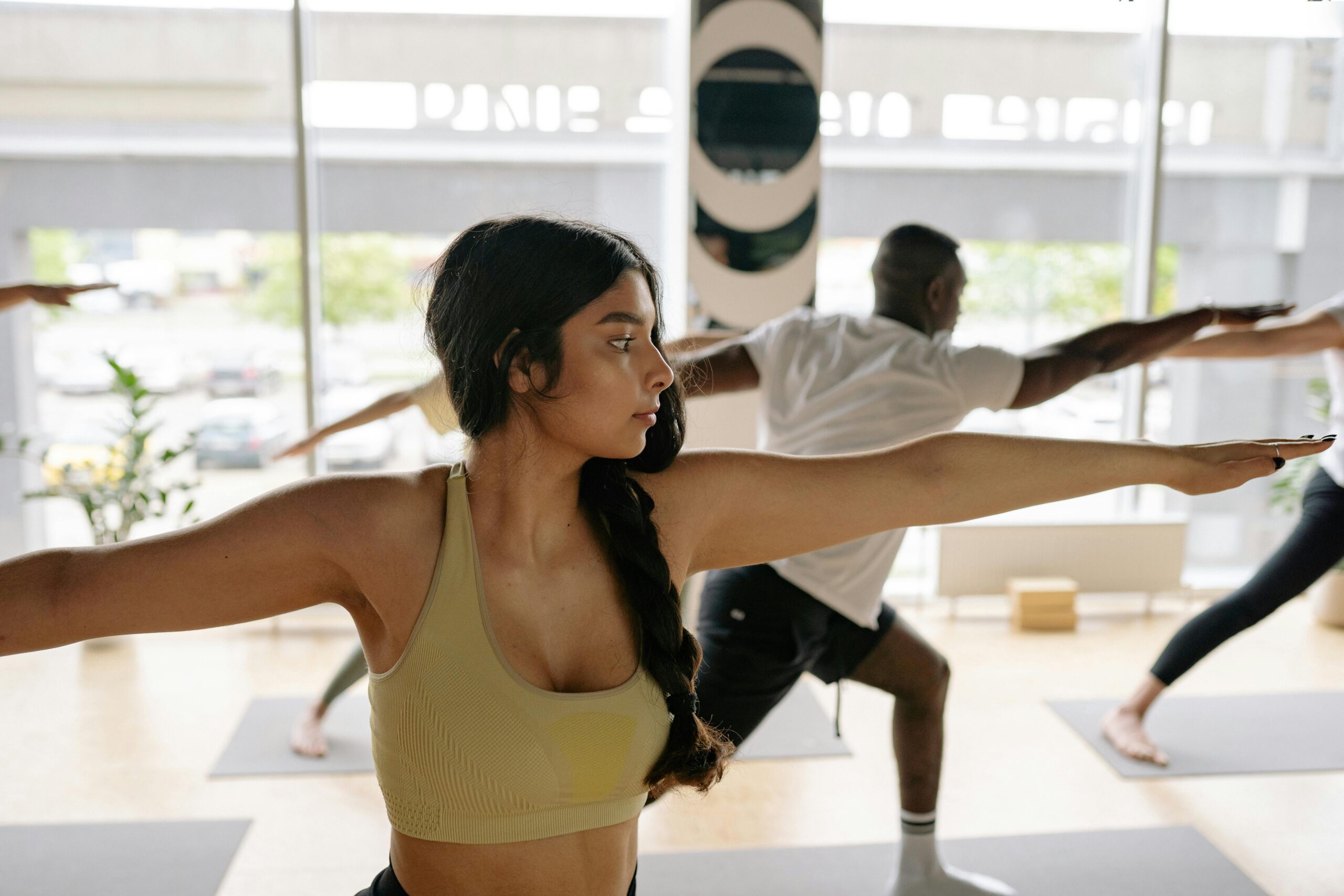
In today’s fast-paced world, finding peace amidst chaos isn’t just a luxury—it’s a necessity for maintaining mental health and emotional well-being. 🌿

Anxiety has become one of the most prevalent mental health challenges of our time, affecting millions worldwide. The constant bombardment of information, endless to-do lists, and mounting pressures from work and personal life create a perfect storm for emotional overwhelm. Yet, within this chaos lies an ancient solution that’s gaining modern recognition: mindfulness.
Mindfulness isn’t just another wellness trend or temporary fix. It’s a scientifically-backed approach to managing anxiety and regaining control over your emotional landscape. Through intentional awareness and present-moment focus, you can transform your relationship with stress and discover a profound sense of inner calm that exists even when external circumstances feel turbulent.
Understanding the Anxiety-Mindfulness Connection
Anxiety often stems from our mind’s tendency to ruminate about the past or worry about the future. Your brain, designed to protect you, sometimes works overtime creating worst-case scenarios that rarely materialize. This mental time-traveling pulls you away from the present moment, where life actually unfolds and where you have the most power to influence your experience.
Mindfulness practice anchors you firmly in the now. When you’re fully present, anxiety loses much of its grip because you’re not feeding the mental narratives that fuel worry. Research from Harvard Medical School and numerous other institutions has demonstrated that regular mindfulness practice actually changes brain structure, particularly in areas associated with emotional regulation and stress response.
The amygdala, your brain’s alarm system, becomes less reactive with consistent mindfulness practice. Meanwhile, the prefrontal cortex—responsible for rational thinking and emotional control—strengthens. This neurological shift explains why people who practice mindfulness report feeling more emotionally balanced and less overwhelmed by life’s challenges.
The Science Behind Mindfulness and Emotional Regulation
Understanding how mindfulness works on a biological level can strengthen your commitment to the practice. When anxiety strikes, your body enters fight-or-flight mode, flooding your system with cortisol and adrenaline. Your heart races, breathing becomes shallow, and rational thinking takes a backseat to survival instincts.
Mindfulness activates the parasympathetic nervous system—your body’s natural calming mechanism. Through focused breathing and present-moment awareness, you signal to your brain that there’s no immediate threat, allowing your body to return to baseline. This isn’t just about feeling better temporarily; you’re literally retraining your nervous system’s default response patterns.
Studies published in JAMA Internal Medicine have shown that mindfulness meditation programs can produce moderate improvements in anxiety, depression, and pain. Other research indicates that just eight weeks of mindfulness practice can lead to measurable changes in brain regions associated with memory, sense of self, empathy, and stress.
How Your Brain Responds to Mindfulness Practice
The brain possesses remarkable plasticity—the ability to form new neural pathways throughout life. Each time you practice mindfulness, you’re strengthening pathways associated with calm awareness while weakening those tied to automatic anxiety responses. Think of it like exercising a muscle; the more you practice being present and non-reactive, the stronger that capacity becomes.
The default mode network (DMN) in your brain typically activates when you’re not focused on the outside world—often leading to rumination and self-referential thinking. Mindfulness practice quiets this network, reducing the mental chatter that often accompanies anxiety and creating space for clarity and peace.
Practical Mindfulness Techniques for Immediate Anxiety Relief 🧘
Theory becomes powerful only when applied. Here are evidence-based mindfulness techniques you can implement immediately when anxiety strikes or as daily practices to build emotional resilience.
The 5-4-3-2-1 Grounding Technique
This sensory awareness exercise pulls you out of anxious thoughts and into your immediate environment. When you notice anxiety building, pause and identify:
- 5 things you can see around you
- 4 things you can physically touch or feel
- 3 things you can hear
- 2 things you can smell
- 1 thing you can taste
This simple practice interrupts the anxiety spiral by redirecting your attention to concrete, present-moment sensory information. Your mind cannot simultaneously be lost in worrying thoughts and fully engaged with sensory awareness.
Breath Awareness: Your Portable Anchor
Your breath is always with you, making it the perfect anchor for mindfulness practice. Unlike many aspects of your autonomic nervous system, breathing is both automatic and controllable—a bridge between conscious and unconscious processes.
Try the 4-7-8 breathing pattern: inhale quietly through your nose for 4 counts, hold your breath for 7 counts, then exhale completely through your mouth for 8 counts. This pattern activates your parasympathetic nervous system, triggering the relaxation response. Practice this for four breath cycles whenever you feel anxiety rising.
Alternatively, simply observe your natural breath without trying to change it. Notice the sensation of air entering your nostrils, the rise and fall of your chest, the slight pause between breaths. When your mind wanders to anxious thoughts—and it will—gently guide your attention back to the breath without judgment.
Body Scan Meditation for Emotional Release
Anxiety often manifests physically before we consciously recognize it—tense shoulders, clenched jaw, knotted stomach. A body scan meditation helps you develop awareness of these physical signals and release stored tension.
Lie down or sit comfortably. Starting with your toes, bring your attention to each part of your body sequentially, moving upward. Notice any sensations without trying to change them—warmth, tingling, tension, or nothing at all. This practice builds the connection between mind and body, helping you catch anxiety early and respond skillfully rather than reactively.
Building a Sustainable Mindfulness Practice
While quick techniques provide immediate relief, lasting change comes from consistent practice. Building a mindfulness routine doesn’t require hours of meditation or retreating to a monastery. Small, regular practices integrated into daily life create profound transformation over time.
Start with just five minutes daily. Choose a consistent time—many people find mornings ideal, before the day’s demands take over. Create a dedicated space, even if it’s just a corner of your bedroom with a cushion. Consistency matters more than duration; five minutes daily beats an hour once a week.
Mindfulness Apps as Training Wheels
Technology, often blamed for increasing anxiety, can also support your mindfulness journey. Quality meditation apps provide structure, guidance, and accountability, especially when you’re beginning.
Headspace offers an excellent starting point with its beginner-friendly approach and clear instruction. The app provides guided meditations specifically designed for anxiety relief, along with animations explaining mindfulness concepts in accessible terms.
Another excellent option is Calm, which combines meditation guidance with sleep stories and breathing exercises. Its diverse content caters to different preferences and needs, from quick three-minute meditations to extended sessions for deeper practice.
For those seeking a more clinical approach, Insight Timer offers thousands of free meditations, including many led by psychologists and therapists specializing in anxiety treatment. The app’s timer feature also supports unguided practice as you develop confidence.
Integrating Mindfulness Into Everyday Activities
Mindfulness isn’t confined to formal meditation sessions. The most powerful practice happens when you bring present-moment awareness into ordinary activities, transforming routine tasks into opportunities for presence and peace.
Mindful Eating: Nourishment Beyond Nutrition
Most people eat while distracted—scrolling phones, watching television, or planning the next activity. Mindful eating transforms meals into meditation. Notice colors, textures, and aromas before taking a bite. Chew slowly, savoring flavors and sensations. This practice not only enhances enjoyment but also improves digestion and creates natural pauses in your busy day.
Walking Meditation: Movement as Mindfulness
You don’t need to sit still to practice mindfulness. Walking meditation combines gentle movement with awareness. Feel your feet contacting the ground with each step. Notice the shift of weight from heel to toe. Observe your surroundings without getting lost in thought about them. This practice works beautifully during lunch breaks or while commuting.
Mindful Listening: Presence in Relationships
Anxiety often disrupts relationships because your mind is elsewhere, replaying past conversations or rehearsing future ones. Mindful listening means giving someone your complete attention—hearing not just words but tone, emotion, and what’s unsaid. This presence deepens connections and pulls you out of anxious mental loops.
Overcoming Common Mindfulness Obstacles 💪
Many people abandon mindfulness practice because they encounter challenges and assume they’re “doing it wrong.” Understanding common obstacles helps you navigate them skillfully.
“My Mind Won’t Stop Racing”
This is the most common complaint, and it reveals a fundamental misunderstanding. Mindfulness isn’t about stopping thoughts—that’s impossible and not the goal. Instead, you’re changing your relationship with thoughts, observing them without getting swept away. A busy mind isn’t failure; it’s the condition you’re working with. Each time you notice your mind wandering and gently return to your anchor (breath, body, etc.), you’re succeeding.
“I Don’t Have Time”
This objection usually means “I don’t prioritize this” rather than an actual time shortage. Consider: you likely spend more time scrolling social media than you’d need for a basic mindfulness practice. Start ridiculously small—even two minutes counts. You’re building a habit, and consistency matters more than duration. Once established, you’ll likely find yourself naturally extending practice time because you experience the benefits.
“I’m Not Seeing Results”
Mindfulness benefits accumulate gradually. You’re unlikely to experience dramatic transformation after one session, just as you wouldn’t expect fitness results from one workout. Keep a simple journal noting your anxiety levels and emotional state before starting practice. After a month, review your entries. Most people discover subtle but meaningful shifts they didn’t notice day-to-day.
When to Combine Mindfulness with Professional Support
Mindfulness is powerful, but it’s not a replacement for professional mental health treatment when needed. If anxiety significantly impairs your daily functioning, persists despite self-help efforts, or includes panic attacks, intrusive thoughts, or physical symptoms, consult a mental health professional.
Many therapists now integrate mindfulness into evidence-based treatments like Cognitive Behavioral Therapy (CBT) and Acceptance and Commitment Therapy (ACT). This combination often produces better outcomes than either approach alone. Mindfulness enhances your capacity to implement therapeutic strategies and notice patterns contributing to anxiety.
Medication may also play a role in some treatment plans. Mindfulness and medication aren’t opposites; they can work synergistically. Medication may reduce symptoms enough to make mindfulness practice accessible, while mindfulness helps you develop skills for long-term management.
Creating Your Personalized Peace Practice ✨
There’s no single “right” way to practice mindfulness. The most effective approach is one you’ll actually maintain. Experiment with different techniques and notice what resonates. Some people connect deeply with breath-focused meditation, while others prefer body scans or walking practice. Honor your preferences rather than forcing yourself into a method that feels wrong.
Consider your natural tendencies. Morning people might thrive with a dawn meditation practice, while night owls might prefer evening reflection. Active individuals might gravitate toward mindful movement like yoga or tai chi, while those who enjoy stillness might prefer seated meditation. The goal is integration into your life, not forcing your life to accommodate an uncomfortable practice.
Tracking Progress Without Perfectionism
Monitoring your practice can build motivation, but avoid turning it into another source of anxiety. A simple check-mark on a calendar when you practice—nothing more—provides visual evidence of consistency without overwhelming detail. Notice general trends: Are you calmer overall? Do you catch anxious thoughts earlier? Are you more patient with yourself and others?
Release the expectation of linear progress. Some days will feel easy and peaceful; others will challenge you. This variability is normal and doesn’t indicate failure. You’re developing a lifelong skill, not racing toward a finish line.

Living Peacefully Within the Chaos
The ultimate goal isn’t eliminating all anxiety or chaos from life—that’s neither possible nor desirable. Some anxiety serves protective functions, alerting you to genuine concerns requiring attention. The chaos of modern life isn’t disappearing. Instead, mindfulness equips you to remain centered amid turbulence, responding to challenges from a place of clarity rather than reactivity.
Think of mindfulness practice as developing an inner sanctuary—a place of peace always accessible regardless of external circumstances. Traffic jams, difficult conversations, work deadlines, and uncertainty remain, but your relationship to these experiences transforms. You develop spaciousness around challenges, seeing them as temporary conditions rather than overwhelming threats.
This doesn’t mean becoming passive or indifferent. Paradoxically, mindfulness often increases effectiveness because you’re responding thoughtfully rather than reacting impulsively. You conserve energy previously wasted on worry, directing it toward meaningful action. Problems get solved more efficiently when approached with calm clarity instead of anxious desperation.
Your journey with mindfulness is unique and personal. There will be setbacks, days when practice feels impossible, moments when anxiety seems as powerful as ever. These experiences are part of the process, not evidence of failure. Each time you return to practice after a break, you’re reinforcing the most important lesson: you always have the capacity to begin again, to return to the present moment, to find peace even when chaos swirls around you. 🌟
Start today—not tomorrow, not when life calms down, not when you have more time. Take three conscious breaths right now. Notice how you feel after. That’s mindfulness, and that’s your first step toward lasting emotional freedom and anxiety relief.