
Breathing is something we do automatically, yet most of us never harness its full potential for enhancing physical health, mental clarity, and emotional balance.

In our fast-paced world filled with constant stimulation and stress, the simple act of breathing consciously has become a revolutionary tool for wellness. While our bodies manage approximately 20,000 breaths daily without conscious effort, learning to control and optimize this fundamental process can unlock remarkable benefits for our overall wellbeing. From ancient yogic practices to modern scientific research, breathing techniques have proven themselves as powerful instruments for transformation.
The science behind breathing extends far beyond simple oxygen intake. Every breath we take influences our nervous system, cardiovascular function, brain chemistry, and even our immune response. When we breathe shallowly or irregularly—often a consequence of stress and poor posture—we deprive ourselves of optimal functioning. Conversely, intentional breathing patterns can activate the parasympathetic nervous system, reduce cortisol levels, improve focus, and create profound states of calm and clarity.
🌬️ The Science Behind Conscious Breathing
Understanding the physiological mechanisms behind breathing helps us appreciate why these techniques work so effectively. When we inhale, oxygen enters our lungs and transfers to our bloodstream, fueling every cell in our body. During exhalation, we expel carbon dioxide and other waste products. This gas exchange is fundamental to life, but the rate and depth of our breathing patterns significantly impact our physical and mental states.
Research has demonstrated that controlled breathing directly affects the autonomic nervous system, which regulates involuntary bodily functions. Slow, deep breathing activates the vagus nerve, triggering the parasympathetic response commonly known as “rest and digest.” This counteracts the stress-induced “fight or flight” response, lowering heart rate, reducing blood pressure, and promoting relaxation.
Neuroscientists have also discovered that breathing patterns influence brain wave activity. Specific breathing rhythms can enhance alpha waves associated with relaxation, theta waves linked to creativity and meditation, or beta waves that support focused concentration. This neurological connection explains why breathing exercises have been successfully used to manage anxiety, depression, PTSD, and other mental health conditions.
Essential Breathing Techniques for Daily Practice
Incorporating proven breathing methods into your routine doesn’t require special equipment or extensive time commitments. These foundational techniques can be practiced anywhere and adapted to your specific needs and goals.
Diaphragmatic Breathing: The Foundation
Also known as belly breathing, this technique engages the diaphragm rather than relying on shallow chest breathing. Place one hand on your chest and another on your abdomen. Breathe in slowly through your nose, allowing your belly to expand while keeping your chest relatively still. Exhale slowly through your mouth. This method maximizes oxygen intake, reduces tension in the neck and shoulders, and promotes full-body relaxation.
Practicing diaphragmatic breathing for just five to ten minutes daily can retrain your body to breathe more efficiently throughout the day. It’s particularly beneficial before sleep, during stressful moments, or when experiencing digestive discomfort.
Box Breathing: The Military’s Secret Weapon
Used by Navy SEALs and elite athletes, box breathing (also called square breathing) creates mental clarity and emotional regulation through equal-length breath phases. Inhale for a count of four, hold for four, exhale for four, and hold empty for four. Repeat this cycle for several minutes.
This technique is exceptional for managing acute stress, preparing for high-pressure situations, or calming racing thoughts. The equal timing creates a meditative rhythm that anchors attention and stabilizes the nervous system.
4-7-8 Breathing: Your Natural Tranquilizer
Developed by Dr. Andrew Weil, this method acts as a natural sedative for the nervous system. Inhale quietly through your nose for four counts, hold your breath for seven counts, then exhale completely through your mouth for eight counts. The extended exhalation activates the relaxation response more strongly than the inhalation stimulates the stress response.
Many practitioners use 4-7-8 breathing as a sleep aid, finding it helps them fall asleep within minutes. It’s also effective for managing anger, anxiety, and cravings.
Alternate Nostril Breathing: Balancing Energy
This yogic practice (Nadi Shodhana) balances the left and right hemispheres of the brain while calming the mind. Using your right thumb, close your right nostril and inhale through the left. Close the left nostril with your ring finger, release the right nostril, and exhale through it. Inhale through the right, then switch to exhale through the left. Continue alternating for several minutes.
Research suggests this technique improves cardiovascular function, enhances respiratory endurance, and reduces stress markers. It’s particularly beneficial before meditation or when seeking mental clarity.
🧘 Breathing Awareness Training: Beyond Technique
While specific techniques offer targeted benefits, developing general breathing awareness creates lasting transformation. This involves cultivating moment-to-moment attention to your natural breath patterns without immediately trying to change them.
Breathing awareness training begins with simple observation. Set aside a few minutes daily to notice your breath as it is—shallow or deep, fast or slow, smooth or irregular. This non-judgmental observation builds self-awareness and reveals how your breathing responds to different emotions, activities, and environments.
As your awareness deepens, you’ll naturally begin breathing more effectively. You’ll notice when stress triggers shallow chest breathing and can consciously shift to deeper patterns. This awareness becomes a biofeedback tool, providing real-time information about your internal state.
Integrating Breath Awareness Throughout Your Day
The most powerful breathing practice happens not during dedicated sessions but woven throughout daily life. Set gentle reminders to check in with your breath during routine activities—while waiting for your computer to start, standing in line, or before responding to a challenging email.
Create “breathing anchors” by linking conscious breaths to regular activities. Take three deep breaths before meals, after using the bathroom, or when sitting down at your desk. These micro-practices accumulate into significant benefits without requiring additional time in your schedule.
Technology-Assisted Breathing Practice 📱
Modern technology offers valuable support for developing consistent breathing habits. Various applications provide guided sessions, customizable timers, and progress tracking to support your practice.
Breathing apps typically offer features like visual breath pacers, ambient sounds, session reminders, and educational content about different techniques. While not essential, these tools can provide helpful structure, especially when beginning your practice or exploring new methods.
Wearable devices that monitor heart rate variability (HRV) can also support breathing practice by showing how specific techniques affect your physiological state. Seeing measurable improvements often reinforces motivation and consistency.
The Mind-Body Connection: Breathing for Emotional Regulation
One of breathing’s most profound benefits lies in its ability to bridge the conscious and unconscious, giving us voluntary control over typically automatic stress responses. This makes breathwork an invaluable tool for emotional regulation and mental health.
When we experience strong emotions—anger, anxiety, fear, or overwhelming sadness—our breathing patterns change automatically. Conversely, deliberately changing our breathing patterns can shift our emotional state. This bidirectional relationship provides a practical entry point for managing difficult feelings.
Unlike many wellness interventions that require external resources or specific settings, breathing techniques are always available. During a panic attack, in the middle of an argument, or when facing unexpected challenges, your breath remains an accessible anchor and regulating force.
Breathing Through Anxiety and Stress
Anxiety often manifests as rapid, shallow breathing or even breath-holding. This creates a vicious cycle: anxiety triggers poor breathing, which intensifies anxiety symptoms. Breaking this cycle through conscious breathing provides immediate relief while building long-term resilience.
For acute anxiety, extended exhalations prove particularly effective. Try breathing in for a count of three and out for a count of six. This signals safety to your nervous system and gradually reduces the physiological arousal underlying anxious feelings.
Chronic stress benefits from regular practice of any calming breathing technique. Consistent practice rewires stress responses over time, raising your baseline capacity to remain calm under pressure.
⚡ Energizing Breathing Practices
While many breathing techniques promote relaxation, others generate alertness and energy. These activating practices can replace afternoon caffeine, boost morning motivation, or prepare you for physical activity.
Breath of Fire (Kapalabhati)
This rapid breathing technique involves passive inhalations and forceful exhalations through the nose, engaging the abdominal muscles. Start slowly with about one breath per second, gradually increasing speed as you become comfortable. Practice for 30-60 seconds, then rest and observe the effects.
Breath of fire increases oxygen delivery, stimulates the sympathetic nervous system, and can create feelings of invigoration and mental clarity. Avoid this practice if you have high blood pressure, are pregnant, or have respiratory conditions.
Bellows Breath (Bhastrika)
Similar to breath of fire but involving full, forceful inhalations and exhalations, bellows breath generates heat and energy throughout the body. Use caution with this powerful technique, starting with just a few rounds and building gradually.
These energizing practices demonstrate breathing’s versatility—the same fundamental act can either calm or activate, depending on how we modulate the pattern.
Building a Sustainable Breathing Practice
Like any wellness habit, breathing practice thrives on consistency rather than intensity. A few minutes daily produces more benefit than occasional lengthy sessions. The goal is integration into your lifestyle, not adding another demanding obligation.
Start with just two to five minutes daily of a technique that appeals to you. Morning practice sets a positive tone for the day, while evening practice supports better sleep. Midday breathing breaks can reset your energy and focus.
Track your practice simply—a checkmark on a calendar is sufficient. Notice changes in your mood, stress resilience, sleep quality, and physical tension over weeks and months. These subjective improvements often provide more motivation than any external goals.
Overcoming Common Obstacles
Many people struggle with breathing practice at first, finding it boring, difficult to remember, or seemingly ineffective. These challenges are normal and temporary.
If you find breathwork boring, remember that the simplicity is the point. Our minds seek constant stimulation, but learning to be present with something as basic as breathing builds invaluable attention skills. Start with shorter sessions and gradually extend as your capacity develops.
Memory challenges respond well to environmental cues. Place sticky notes, set phone reminders, or stack breathing practice with existing habits. The investment in building consistency pays exponential dividends.
If techniques seem ineffective, ensure you’re practicing correctly and giving adequate time for benefits to emerge. Some effects are immediate, while others develop over weeks. Consider working with a trained instructor if self-guided practice isn’t producing results.
💪 Breathing for Physical Performance
Athletes and fitness enthusiasts increasingly recognize breathing’s role in physical performance. Proper breathing patterns enhance endurance, strength, recovery, and injury prevention.
During cardiovascular exercise, nasal breathing (when possible) filters and humidifies air while regulating breathing rate more effectively than mouth breathing. This approach, popularized by the Oxygen Advantage method, can improve VO2 max and aerobic capacity.
For strength training, coordinating breath with movement optimizes power output and core stability. Generally, exhale during the exertion phase (lifting, pushing, pulling) and inhale during the easier phase (lowering, releasing). This timing supports spinal stability and blood pressure regulation.
Recovery breathing after intense exercise helps shift back to parasympathetic dominance, accelerating physical restoration. Spending a few minutes with slow, diaphragmatic breathing after workouts enhances the adaptation process.
The Social Dimension of Breathing
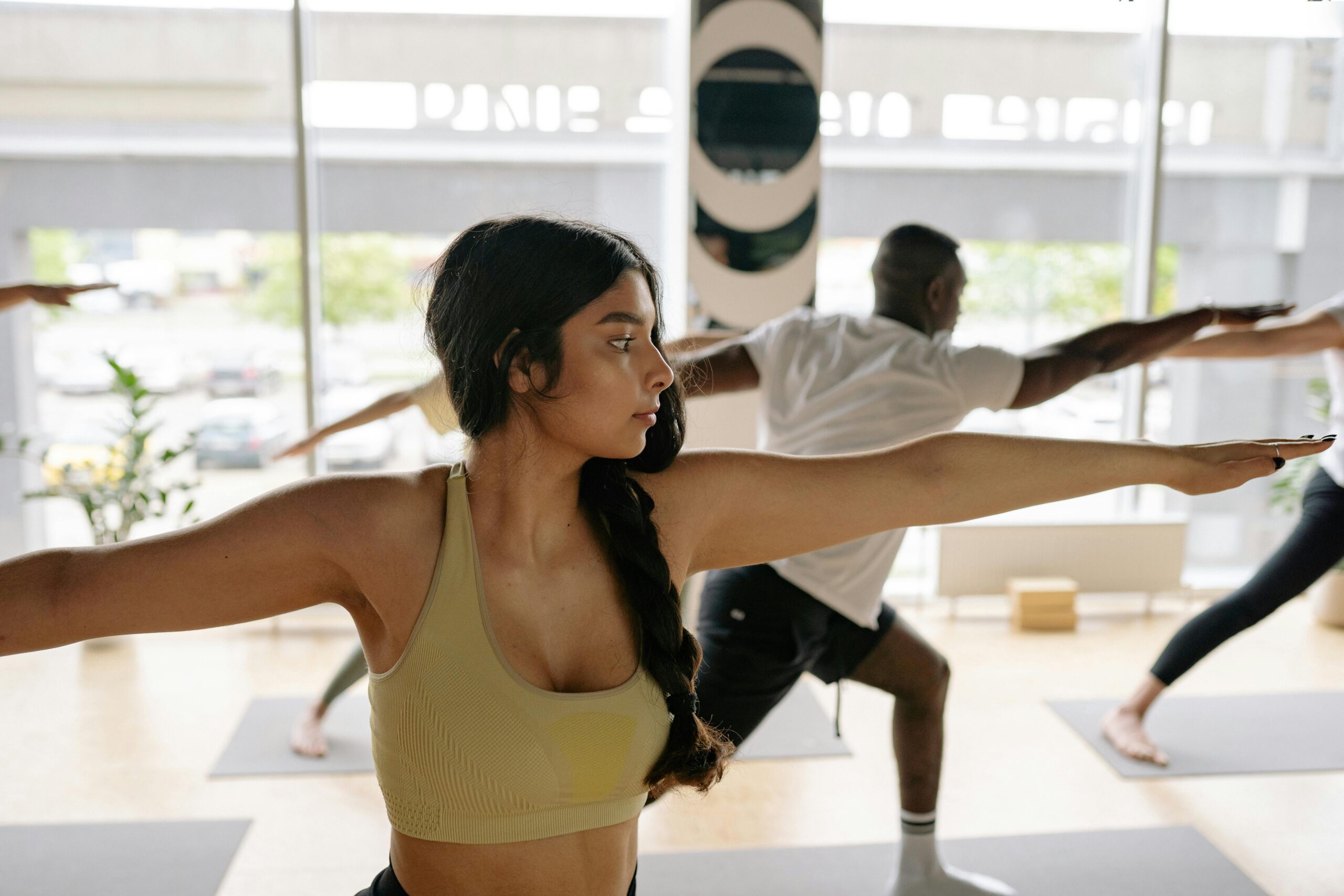
While often practiced individually, breathing has fascinating social dimensions. Group breathing sessions create powerful shared experiences through synchronized rhythms and collective energy. Many yoga classes, meditation groups, and wellness workshops incorporate group breathwork.
Breathing patterns also unconsciously synchronize during conversation and connection. Research shows that people in rapport tend to match breathing rhythms, suggesting breath’s role in empathy and social bonding. Being aware of your breathing during interpersonal interactions can enhance communication and emotional attunement.
🌟 Transforming Your Relationship with Breath
Ultimately, breathing practice invites us to recognize something we’ve overlooked despite its constant presence. Each breath is both ordinary and miraculous—an automatic process we can consciously influence, a bridge between body and mind, a tool for transformation available every moment.
As you develop your breathing practice, you’re not just learning techniques; you’re cultivating a different way of relating to yourself and your experience. You’re building capacity to self-regulate, to pause before reacting, to create space within intensity. These skills extend far beyond breathing itself into every aspect of wellbeing.
The breath you’re taking right now is an opportunity. Not a special breath, not a perfect breath, just this ordinary, extraordinary breath. In recognizing it, returning to it, and occasionally guiding it with intention, you access a wellspring of vitality, peace, and presence that was always there, simply waiting for your attention.
Whether you’re seeking stress relief, better sleep, improved focus, emotional balance, or enhanced physical performance, your breath offers a pathway. The techniques are simple, the practice is free, and the potential benefits are profound. All that’s required is your willingness to pay attention to something you’ve been doing since your first moment of life—and to do it just a little more consciously.