
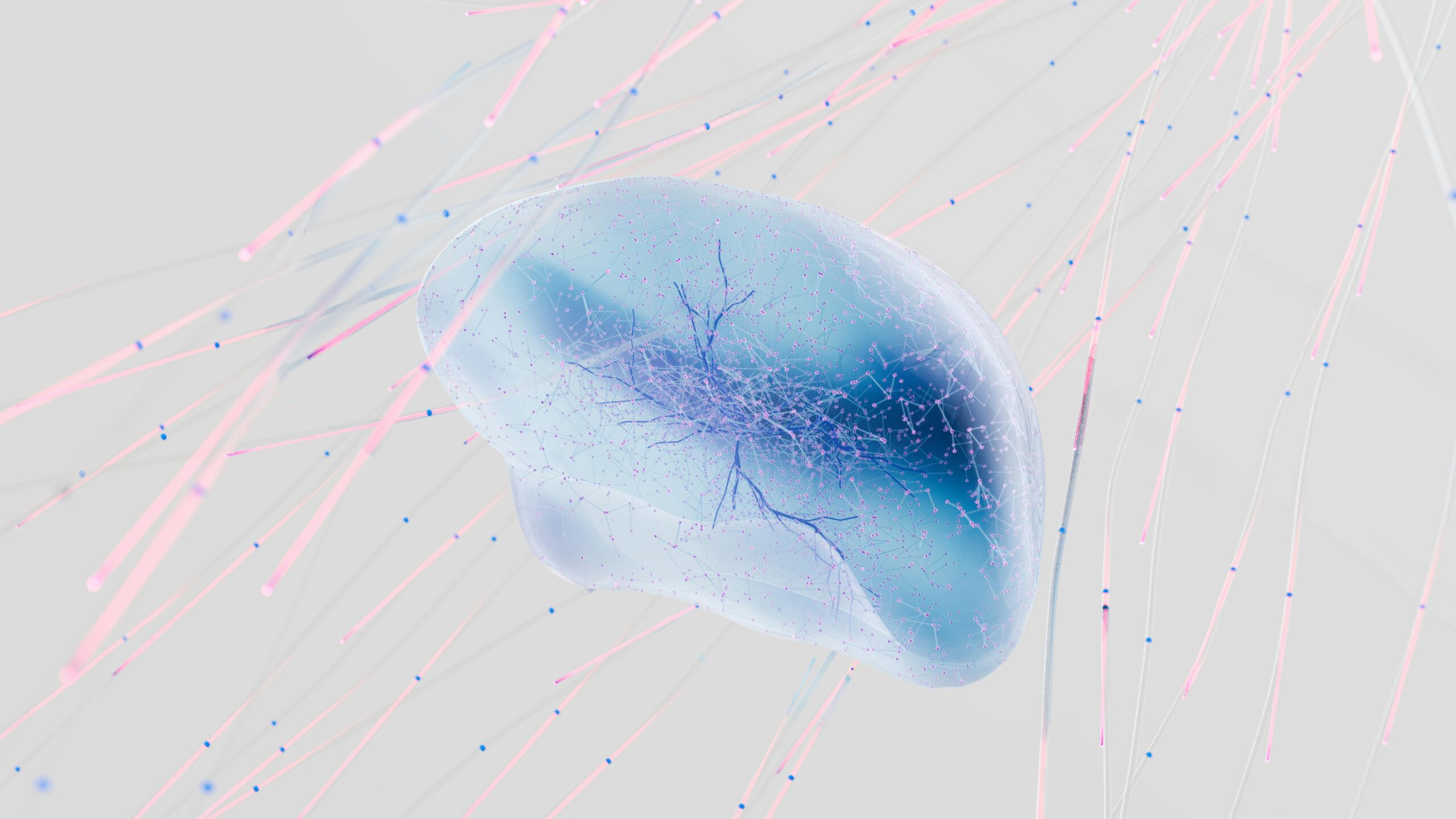
Our emotions shape every moment of our lives, from the decisions we make to the relationships we build. Understanding the limbic system reveals the hidden architecture behind our deepest feelings and behaviors.

🧠 The Emotional Brain: Your Limbic System Unveiled
Deep within the center of your brain lies a complex network of structures collectively known as the limbic system. This ancient part of our neurological architecture serves as the command center for emotions, memory formation, and behavioral responses. Often called the “emotional brain,” the limbic system bridges the gap between our primitive survival instincts and higher-order thinking processes.
The limbic system evolved millions of years ago, long before humans developed the capacity for complex reasoning. This evolutionary timeline explains why emotions can sometimes override logic, why a particular scent can trigger vivid memories, and why we might react to perceived threats before consciously processing what’s happening.
Modern neuroscience has revealed that the limbic system isn’t just responsible for emotions—it’s intricately connected to nearly every aspect of human experience. From learning and motivation to social bonding and decision-making, this neural network influences far more than we once imagined.
The Architectural Blueprint: Key Structures of the Limbic System
The limbic system comprises several interconnected structures, each playing a specialized role in emotional processing and regulation. Understanding these components helps us appreciate the complexity of our emotional experiences.
The Amygdala: Your Emotional Alarm System 🚨
The amygdala, an almond-shaped structure located deep within the temporal lobes, serves as the brain’s threat detection system. This powerful structure processes emotional stimuli, particularly fear and anxiety, often before we’re consciously aware of danger. When the amygdala detects a potential threat, it triggers the famous “fight-or-flight” response, flooding your body with stress hormones and preparing you for immediate action.
Research has shown that the amygdala doesn’t just process negative emotions. It’s also involved in recognizing positive emotional expressions, processing rewards, and forming emotional memories. People with amygdala damage often struggle to recognize fear in others’ facial expressions and may take inappropriate social risks.
The Hippocampus: Where Memories Take Root
Named after its seahorse-like shape, the hippocampus plays a crucial role in forming new memories and connecting emotions to experiences. This structure works closely with the amygdala to create emotionally charged memories—which explains why you remember exactly where you were during significant life events but might forget what you had for breakfast last Tuesday.
The hippocampus is particularly vulnerable to stress. Chronic exposure to stress hormones can actually shrink the hippocampus, potentially contributing to memory problems and increasing vulnerability to mood disorders. Conversely, activities like exercise, meditation, and learning new skills can promote hippocampal neurogenesis—the birth of new neurons.
The Hypothalamus: Master Regulator of Body and Mind
Though small in size, the hypothalamus wields enormous influence over both emotional states and bodily functions. This structure regulates hunger, thirst, sleep, body temperature, and hormone production. It serves as a critical link between the nervous system and the endocrine system, translating emotional experiences into physical responses.
When you feel stressed, anxious, or excited, the hypothalamus coordinates your body’s response by activating the hypothalamic-pituitary-adrenal (HPA) axis. This cascade of hormonal signals prepares your body to deal with challenges, but chronic activation can lead to various health problems.
The Thalamus: Sensory Gateway to Emotions
The thalamus acts as a relay station, processing and directing sensory information to appropriate brain regions. Almost all sensory input passes through the thalamus before reaching the cortex for conscious processing. This structure helps determine which sensations deserve emotional attention and which can be safely ignored.
Interestingly, the thalamus can send information to both the amygdala and the cortex simultaneously, allowing for both rapid emotional responses and slower, more thoughtful analysis of the same stimulus.
The Chemistry of Feelings: Neurotransmitters and Emotions 💊
Emotions aren’t just abstract experiences—they’re biochemical events. The limbic system relies on various neurotransmitters to communicate between neurons and create the subjective experiences we call feelings.
Dopamine, often called the “reward chemical,” creates feelings of pleasure and motivation. The limbic system’s dopamine pathways reinforce behaviors that historically helped our ancestors survive, from eating high-calorie foods to forming social bonds. Modern life can hijack these pathways, creating addictive patterns around everything from social media to gambling.
Serotonin regulates mood, sleep, and appetite. Low serotonin levels are associated with depression and anxiety, which is why many psychiatric medications target serotonin systems. The limbic system’s serotonin circuits help maintain emotional stability and resilience in the face of stress.
Norepinephrine heightens alertness and arousal during emotional situations. This neurotransmitter prepares your body and brain for action, sharpening attention and enhancing memory formation during significant events. The limbic system’s norepinephrine circuits help explain why emotional memories feel so vivid and lasting.
GABA (gamma-aminobutyric acid) serves as the brain’s primary inhibitory neurotransmitter, calming neural activity and reducing anxiety. Many anti-anxiety medications work by enhancing GABA activity, helping to quiet overactive limbic circuits.
The Stress Response: When Your Limbic System Takes Control
Understanding how the limbic system manages stress reveals why emotional regulation can sometimes feel so challenging. When faced with a perceived threat, your limbic system can initiate a response in milliseconds, long before your rational mind has time to evaluate the situation.
This rapid response system evolved to keep our ancestors alive in environments filled with physical dangers. A rustling in the bushes might signal a predator, and stopping to carefully analyze the situation could prove fatal. Better to react first and ask questions later.
However, this same system struggles with modern stressors. Your limbic system can’t distinguish between a genuine physical threat and a stressful email from your boss. The result? Your body mobilizes resources for a physical confrontation that never comes, leading to chronic stress and its associated health consequences.
The HPA Axis: Your Stress Highway
When the amygdala detects a threat, it signals the hypothalamus to activate the HPA axis. The hypothalamus releases corticotropin-releasing hormone (CRH), which triggers the pituitary gland to release adrenocorticotropic hormone (ACTH). This hormone travels through the bloodstream to the adrenal glands, which produce cortisol—the primary stress hormone.
Cortisol provides energy by increasing blood sugar levels, enhances attention and memory formation for threatening situations, and temporarily suppresses non-essential functions like digestion and reproduction. This system works brilliantly for short-term stress but becomes problematic when activated chronically.
Emotional Memory: Why Some Moments Never Fade ✨
The limbic system’s integration of emotion and memory explains why certain experiences remain crystal clear decades later while others fade almost immediately. Emotional arousal enhances memory consolidation through a process involving the amygdala and hippocampus.
During emotionally significant events, the amygdala releases hormones that strengthen memory formation in the hippocampus. This creates what researchers call “flashbulb memories”—vivid recollections of where you were and what you were doing during momentous occasions.
This system evolved because remembering emotional experiences provided survival advantages. Remembering where you found food, which situations proved dangerous, and which individuals proved trustworthy helped our ancestors navigate complex environments.
Unfortunately, this same mechanism contributes to conditions like post-traumatic stress disorder (PTSD), where traumatic memories become overly consolidated and difficult to process normally. Understanding this connection has led to new therapeutic approaches that target the reconsolidation of traumatic memories.
Social Connection and the Limbic System 🤝
Humans are profoundly social creatures, and the limbic system plays a central role in how we bond with others. Social connection isn’t just psychologically important—it’s neurologically fundamental to human wellbeing.
The limbic system processes social rewards similarly to primary rewards like food and water. Positive social interactions trigger dopamine release in limbic circuits, creating pleasurable feelings that reinforce relationship-building behaviors. This explains why social rejection can feel physically painful—the limbic system processes social pain using some of the same neural circuits involved in physical pain.
Mirror neurons in and around the limbic system allow us to experience empathy by simulating others’ emotions in our own brains. When you watch someone experiencing joy or pain, your limbic system partially recreates those emotional states, allowing you to understand and connect with their experience.
When Things Go Wrong: Limbic System Dysfunction
Given the limbic system’s central role in emotional processing, it’s unsurprising that dysfunction in these circuits contributes to various mental health conditions. Understanding these connections has revolutionized psychiatric treatment and reduced stigma around emotional disorders.
Depression involves altered activity in multiple limbic structures. Research shows that people with depression often have hyperactive amygdala responses to negative stimuli and reduced hippocampal volume. These changes affect both emotional processing and memory formation, contributing to the negative thought patterns characteristic of depression.
Anxiety disorders feature overactive amygdala responses and difficulty regulating the fear response. People with anxiety often show heightened limbic system reactivity to potential threats, even when dangers are minimal or imaginary.
PTSD involves dysregulation of the entire stress response system. Traumatic experiences can sensitize the amygdala, making it hyperreactive to reminders of trauma while simultaneously impairing the hippocampus’s ability to properly contextualize memories.
Addiction hijacks the limbic system’s reward circuits. Drugs of abuse create surges of dopamine far exceeding natural rewards, eventually rewiring limbic pathways and creating powerful cravings that override rational decision-making.
Harnessing Neuroplasticity: Rewiring Your Emotional Brain 🔄
The discovery of neuroplasticity—the brain’s ability to form new neural connections throughout life—has transformed our understanding of emotional health. The limbic system isn’t fixed; it can be reshaped through experience and intentional practice.
Meditation and mindfulness practices have been shown to reduce amygdala reactivity while strengthening connections between the limbic system and prefrontal cortex. Regular meditation practitioners show enhanced emotional regulation and decreased stress responses, demonstrating that ancient practices align with cutting-edge neuroscience.
Exercise promotes neurogenesis in the hippocampus, potentially protecting against stress-related damage and improving mood. Physical activity also regulates neurotransmitter systems throughout the limbic system, providing natural mood enhancement.
Cognitive behavioral therapy (CBT) literally rewires limbic circuits by teaching people to recognize and change thought patterns. Brain imaging studies show that successful CBT treatment produces measurable changes in limbic system activity.
Social connection itself serves as a powerful regulator of limbic function. Positive relationships activate reward circuits, buffer stress responses, and promote emotional resilience through what researchers call “social baseline theory.”
The Future of Emotional Neuroscience 🔬
Advances in neuroscience continue to deepen our understanding of the limbic system and its role in shaping human experience. New technologies allow researchers to observe brain activity with unprecedented precision, revealing the subtle interplay between different limbic structures during emotional processing.
Optogenetics, which uses light to control specific neurons, has enabled researchers to isolate the functions of particular limbic circuits in animal models. These studies are uncovering the precise neural mechanisms underlying different emotional states and psychiatric conditions.
Neurofeedback training allows people to observe their own brain activity in real-time and learn to regulate limbic function consciously. This approach shows promise for treating conditions ranging from anxiety to addiction by teaching people to modulate their own neural activity.
Personalized psychiatry uses individual brain imaging and genetic profiles to tailor treatments to specific patterns of limbic dysfunction. Rather than the one-size-fits-all approach of traditional psychiatry, future treatments may target the unique neural signatures of each person’s emotional challenges.
Living in Harmony With Your Emotional Brain 🌟
Understanding the neuroscience of the limbic system isn’t just academic—it’s profoundly practical. Recognizing that emotions emerge from specific brain structures and chemical processes can help reduce shame around difficult feelings and empower us to work with, rather than against, our emotional nature.
Your limbic system evolved to keep you safe, help you bond with others, and motivate you toward important goals. When it seems to malfunction—producing anxiety in safe situations or pleasure in response to harmful stimuli—it’s usually following ancient programming that no longer matches modern circumstances.
By understanding these neural mechanisms, you can develop more compassion for yourself and others. Difficult emotions aren’t character flaws but natural outputs of complex neural systems responding to challenging circumstances.
The limbic system remains one of neuroscience’s most fascinating frontiers. As research continues to unveil its secrets, we gain not just knowledge but wisdom—insight into what makes us fundamentally human. Our emotions, far from being obstacles to rationality, represent sophisticated neural computations that guide us through life’s complexity.
By respecting and working skillfully with our limbic systems, we can unlock their power to create richer relationships, make better decisions, and live with greater emotional balance. The journey toward emotional mastery begins with understanding the remarkable neural architecture that makes feelings possible.