
Breathwork is one of the most powerful yet underutilized tools available for transforming your physical and mental health, offering immediate and lasting benefits.

In our modern world filled with chronic stress, digital overwhelm, and disconnection from our bodies, we’ve forgotten one of our most fundamental life functions: how to breathe properly. While breathing happens automatically, the way we breathe profoundly impacts every system in our body, from our nervous system and cardiovascular health to our mental clarity and emotional resilience.
This comprehensive guide will explore how intentional breathing practices can unlock your body’s innate healing potential, optimize physiological regulation, and create a foundation for peak performance in all areas of life. Whether you’re an athlete seeking enhanced performance, a professional managing workplace stress, or simply someone looking to improve overall wellbeing, breathwork offers accessible, evidence-based solutions.
🫁 The Science Behind Breathwork: Why Your Breathing Patterns Matter
Every breath you take is a direct line of communication with your autonomic nervous system, the control center that regulates unconscious bodily functions including heart rate, digestion, respiratory rate, and stress responses. Most people take between 17,000 and 30,000 breaths daily, yet rarely consider the quality or pattern of these breaths.
When we breathe shallowly or rapidly—often a consequence of stress, poor posture, or habit—we activate the sympathetic nervous system, triggering our fight-or-flight response. This state releases cortisol and adrenaline, increases heart rate, and diverts blood flow away from non-essential functions like digestion and immune response.
Conversely, slow, deep, diaphragmatic breathing activates the parasympathetic nervous system, often called the “rest and digest” state. This physiological shift lowers blood pressure, reduces inflammation markers, improves heart rate variability, and enhances immune function. The beauty of breathwork lies in its immediacy—you can shift your physiological state within minutes through conscious breathing.
The Respiratory-Cardiac Connection
One of the most fascinating aspects of breathwork is respiratory sinus arrhythmia (RSA), the natural variation in heart rate that occurs during the breathing cycle. When you inhale, your heart rate increases slightly; when you exhale, it decreases. This variability is actually a sign of cardiovascular health and nervous system flexibility.
High heart rate variability (HRV) correlates with better stress resilience, emotional regulation, and overall health. Specific breathing patterns, particularly slower breathing rates around 5-6 breaths per minute, have been shown to maximize HRV and optimize the synchronization between respiratory and cardiovascular systems.
🧠 Breathwork and Brain Function: Oxygenating Your Mental Performance
Your brain consumes approximately 20% of your body’s oxygen supply despite representing only 2% of body weight. Proper oxygenation through effective breathing directly impacts cognitive function, mental clarity, focus, and emotional regulation.
Research using functional MRI scans has demonstrated that controlled breathing practices influence activity in brain regions associated with attention, emotion processing, and awareness. Specifically, slow breathing has been shown to increase activity in the prefrontal cortex while decreasing activity in the amygdala—the brain’s fear and stress center.
This neurological shift explains why breathwork practitioners report enhanced focus, reduced anxiety, improved decision-making, and greater emotional stability. By consciously controlling your breath, you’re literally reshaping your brain’s response patterns to stressors.
Carbon Dioxide Tolerance: The Overlooked Factor
While most people focus on oxygen intake, carbon dioxide tolerance plays an equally crucial role in optimal breathing. CO2 isn’t simply a waste product—it’s a vital signaling molecule that facilitates oxygen release from hemoglobin to tissues through the Bohr effect.
Many people chronically hyperventilate due to stress or poor breathing habits, expelling too much CO2 and paradoxically reducing oxygen delivery to cells. Building CO2 tolerance through specific breathing exercises improves oxygen utilization efficiency, enhances endurance, and reduces breathlessness during physical activity.
💪 Practical Breathwork Techniques for Physiological Optimization
Understanding the science is valuable, but implementing practical techniques creates transformation. Here are evidence-based breathing practices designed for different physiological goals.
Coherent Breathing for Nervous System Balance
Coherent breathing, also called resonance frequency breathing, involves breathing at a rate of approximately 5-6 breaths per minute. This rhythm creates optimal heart rate variability and nervous system balance.
Practice: Inhale for 5 seconds, exhale for 5 seconds. Continue for 10-20 minutes daily. This simple practice has been shown to reduce symptoms of depression, anxiety, and PTSD while improving cardiovascular function.
Box Breathing for Stress Management
Used by Navy SEALs and elite performers, box breathing creates mental clarity and calm under pressure by equalizing the four phases of the breathing cycle.
Practice: Inhale for 4 counts, hold for 4 counts, exhale for 4 counts, hold for 4 counts. Repeat for 5-10 rounds. This technique is particularly effective before high-stress situations or when you need to reset your nervous system quickly.
Wim Hof Method for Immune Enhancement
Developed by Wim Hof, “The Iceman,” this technique combines controlled hyperventilation with breath retention to influence the autonomic nervous system and immune response in ways previously thought impossible.
Practice: Take 30-40 deep breaths (inhaling fully, exhaling partially), then exhale and hold your breath as long as comfortable. Inhale deeply and hold for 15 seconds. Repeat for 3-4 rounds. Research has shown this practice can voluntarily influence the sympathetic nervous system and immune response.
4-7-8 Breathing for Sleep Optimization
Developed by Dr. Andrew Weil, this technique acts as a natural tranquilizer for the nervous system, becoming more effective with repetition and practice.
Practice: Inhale through your nose for 4 counts, hold for 7 counts, exhale completely through your mouth for 8 counts. Repeat for 4 breath cycles. This extended exhalation activates the parasympathetic nervous system, preparing your body for restorative sleep.
🏃 Athletic Performance and Recovery Through Breath Control
Elite athletes increasingly recognize breathwork as a performance enhancer that improves endurance, power output, and recovery. Proper breathing mechanics during exercise ensure optimal oxygen delivery, waste product removal, and energy efficiency.
Nasal breathing during exercise, even at moderate intensities, has been shown to improve oxygen utilization, increase nitric oxide production (which dilates blood vessels), and enhance CO2 tolerance. While initially challenging for those accustomed to mouth breathing, nasal breathing during training sessions creates significant adaptations that translate to improved performance.
Breathing Patterns for Different Training Zones
Matching your breathing pattern to exercise intensity optimizes performance and prevents premature fatigue. During low-intensity exercise, maintain nasal breathing with a comfortable rhythm. As intensity increases to moderate levels, continue nasal breathing but allow the rate to naturally increase.
For high-intensity intervals, mouth breathing becomes necessary to meet oxygen demands, but returning to nasal breathing during recovery periods accelerates recuperation. Post-workout breathwork, particularly slow, diaphragmatic breathing, activates parasympathetic recovery processes and reduces excess post-exercise oxygen consumption (EPOC).
😌 Emotional Regulation Through Breath: Managing Anxiety and Stress
The intimate connection between breathing patterns and emotional states works bidirectionally—emotions affect breathing, and breathing affects emotions. Anxiety, anger, and fear typically produce rapid, shallow, chest-based breathing, while calmness and contentment correlate with slow, deep, diaphragmatic breathing.
This relationship creates a powerful intervention point. When you consciously shift your breathing pattern, you create bottom-up regulation of emotional states, bypassing the need for cognitive strategies alone.
Extended exhalation breathing—where the exhale is longer than the inhale—particularly activates the vagus nerve, the primary nerve of the parasympathetic nervous system. This activation triggers a cascade of calming physiological responses including reduced heart rate, lowered blood pressure, and decreased cortisol production.
Building a Daily Breathwork Practice
Consistency matters more than duration when establishing a breathwork practice. Even five minutes daily creates measurable benefits, while 10-20 minutes produces more substantial changes in nervous system regulation and stress resilience.
Consider anchoring your practice to existing habits—breath exercises immediately after waking, before meals, or as a transition ritual between work and personal time. This habit stacking approach increases adherence and integration into daily life.
🔬 Measuring Your Progress: Tracking Physiological Changes
While subjective improvements in mood, energy, and stress levels are valuable, objective measurements provide additional insight and motivation. Several metrics effectively track breathwork benefits:
- Resting Heart Rate: Consistent breathwork typically lowers resting heart rate over weeks, indicating improved cardiovascular efficiency
- Heart Rate Variability: Wearable devices can track HRV, which should increase with regular practice
- Breath Hold Time: Tracking how long you can comfortably hold your breath after normal exhalation indicates CO2 tolerance improvements
- Sleep Quality: Sleep tracking apps or devices often show improvements in deep sleep percentages and reduced nighttime awakenings
- Blood Pressure: Regular monitoring may reveal reductions in both systolic and diastolic pressure
⚠️ Common Breathwork Mistakes and How to Avoid Them
While breathwork is generally safe and beneficial, certain pitfalls can limit effectiveness or create discomfort. Understanding these common mistakes helps optimize your practice.
Over-breathing: More isn’t always better. Excessive hyperventilation can cause dizziness, tingling, or anxiety. Always practice intensive techniques like the Wim Hof Method in safe environments, never while driving or in water.
Chest breathing: Shallow chest breathing engages accessory breathing muscles and maintains stress physiology. Focus on diaphragmatic breathing where your belly expands on inhalation and contracts on exhalation.
Forcing the breath: Breathwork should feel challenging but never forced or uncomfortable. Gradually build capacity rather than pushing to extremes immediately.
Inconsistent practice: Sporadic breathwork provides minimal benefits. Regular, consistent practice creates lasting physiological adaptations and nervous system changes.
🌅 Integrating Breathwork Into Modern Life: Practical Applications
The true power of breathwork emerges when integrated seamlessly into daily activities rather than confined to formal practice sessions. Strategic breath awareness throughout your day compounds benefits and creates continuous nervous system optimization.
Morning activation: Begin your day with 5-10 minutes of energizing breath practices like the Wim Hof Method or breath of fire to increase alertness and set a positive physiological tone.
Work transitions: Use box breathing or coherent breathing between meetings, tasks, or during brief breaks to maintain focus and prevent stress accumulation.
Pre-performance rituals: Before important presentations, competitions, or challenging conversations, spend 3-5 minutes with calming breath practices to optimize your nervous system state.
Evening wind-down: Incorporate 4-7-8 breathing or extended exhalation practices 30-60 minutes before bed to facilitate the transition toward sleep.
🌟 The Long-Term Transformation: What Consistent Practice Creates
While breathwork provides immediate state changes, the most profound benefits emerge through consistent long-term practice. Over weeks and months, regular breathwork creates structural and functional changes in how your body manages stress, processes emotions, and maintains physiological balance.
Practitioners consistently report enhanced stress resilience—not that stressors disappear, but that their physiological and emotional reactivity decreases significantly. This change isn’t merely subjective; it’s measurable through improved HRV, lower baseline cortisol levels, and enhanced immune markers.
Mental clarity and cognitive performance typically improve as proper oxygenation and nervous system regulation support optimal brain function. Many people discover they require less caffeine, experience fewer energy crashes, and maintain steadier focus throughout their day.
Physical health markers often improve, including reduced blood pressure, better metabolic function, decreased inflammation, and improved sleep architecture. These changes create a positive feedback loop where better physiological regulation supports healthier lifestyle choices, which further enhance breathwork benefits.
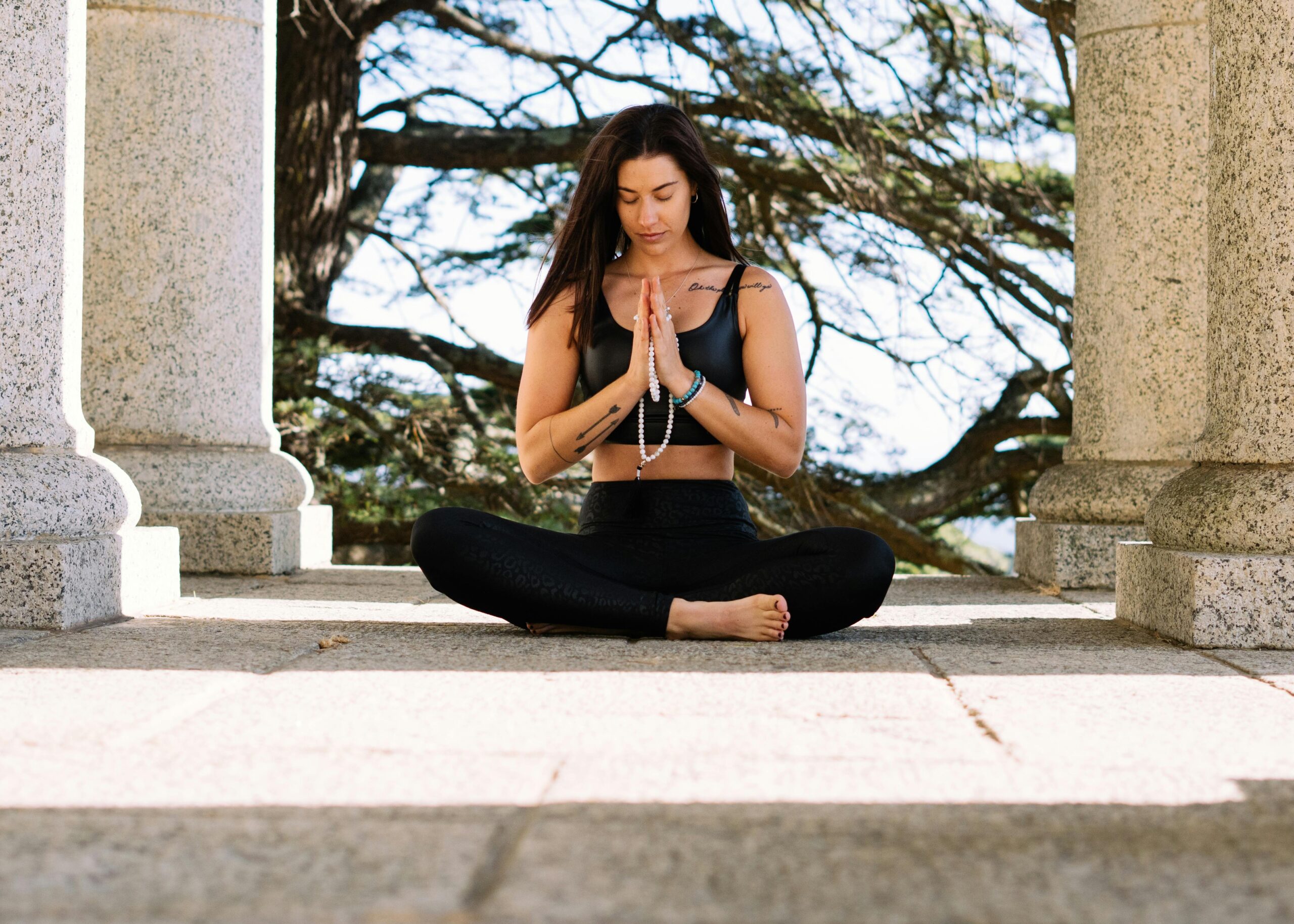
🎯 Your Breathwork Journey Begins Now
The remarkable aspect of breathwork is its accessibility—you already possess everything needed to begin this transformative practice. No equipment, supplements, or special locations are required. Your breath is always available, offering a direct pathway to influence your nervous system, optimize your physiology, and enhance your overall wellbeing.
Start simply with coherent breathing for five minutes daily, then gradually explore different techniques as you develop awareness of your breathing patterns and their effects on your physical and mental states. Track your subjective experiences and objective measurements to maintain motivation and recognize progress.
Remember that breathwork is a practice, not a perfection. Some days will feel easier than others, and that’s completely natural. The key is consistency and curiosity—approaching each session with openness to whatever arises.
Your body possesses extraordinary self-regulating capabilities that modern lifestyles often suppress. Through conscious breathwork, you can unlock this innate potential, creating the foundation for optimal health, performance, and vitality. The journey from unconscious breathing to masterful breath control transforms not just how you breathe, but how you live.
Take a deep breath. Your transformation begins with this single, conscious inhalation. 🌬️