
Understanding your emotions is one of the most powerful tools you can develop for mental wellness. Learning to identify and label what you’re feeling transforms abstract sensations into manageable experiences that support emotional growth.

🧠 Why Emotional Awareness Matters More Than You Think
Emotional awareness serves as the foundation for psychological health and interpersonal relationships. When you can accurately identify what you’re feeling, you gain the ability to respond rather than react. This distinction makes all the difference in how you navigate daily challenges, workplace stress, relationship conflicts, and personal setbacks.
Research in affective neuroscience shows that the simple act of labeling emotions reduces activity in the amygdala—the brain’s alarm center—while increasing activity in the prefrontal cortex, which governs rational thinking. This process, known as “affect labeling,” literally calms your nervous system through the power of naming what you feel.
People with high emotional awareness experience better mental health outcomes, including reduced anxiety and depression symptoms. They also demonstrate stronger resilience when facing adversity because they can distinguish between different emotional states and apply appropriate coping strategies for each one.
The Hidden Cost of Emotional Illiteracy
Many adults struggle with what psychologists call alexithymia—difficulty identifying and describing emotions. This isn’t a clinical disorder for most people, but rather a skill deficit that develops from various sources: families that discouraged emotional expression, cultural norms that prioritize stoicism, or simply never learning the vocabulary to describe inner experiences.
When you can’t name your emotions, they don’t disappear. Instead, they manifest in less healthy ways: physical symptoms like headaches or digestive issues, behavioral patterns like overeating or substance use, or relational problems like communication breakdowns and conflicts.
The inability to identify emotions creates a feedback loop where unclear feelings generate confusion, which produces anxiety about the confusion itself. Breaking this cycle begins with developing emotional granularity—the ability to make fine-grained distinctions between similar emotional states.
🎯 Building Your Emotional Vocabulary: Beyond Happy and Sad
Most people operate with a limited emotional vocabulary, cycling through basic terms like happy, sad, angry, and scared. While these capture broad categories, they lack the precision needed for genuine emotional understanding. Expanding your emotional lexicon is like upgrading from a box of eight crayons to a set of 120—suddenly you can color your experiences with much greater accuracy.
Consider the difference between feeling disappointed, discouraged, defeated, and devastated. All fall under the umbrella of “sad,” but each describes a distinct experience with different intensities and implications. Disappointed suggests unmet expectations; discouraged implies loss of motivation; defeated conveys a sense of failure; devastated indicates overwhelming grief or shock.
Creating Your Personal Emotion Wheel
An emotion wheel organizes feelings from basic categories at the center to increasingly specific emotions in outer rings. Start with six core emotions: joy, sadness, anger, fear, disgust, and surprise. From each core emotion, branch out to more nuanced variations.
From joy, you might identify: contentment, pride, enthusiasm, relief, hope, and gratitude. From sadness: loneliness, grief, disappointment, shame, and melancholy. This framework gives you a mental map for navigating your inner landscape with greater precision.
Practice using this expanded vocabulary in daily journaling or mental check-ins. Instead of writing “I feel bad,” challenge yourself to pinpoint the specific shade: “I feel anxious about the presentation, frustrated with my preparation time, and slightly embarrassed about needing more support.”
The Science of Emotional Pattern Recognition
Your emotions don’t occur randomly. They follow patterns influenced by your thoughts, environmental triggers, physical states, and learned responses. Identifying these patterns empowers you to anticipate emotional reactions and intervene before automatic responses take over.
Pattern recognition involves tracking three key elements: triggers (what happened before the emotion), the emotional experience itself (what you felt physically and mentally), and outcomes (how you responded and what resulted). Over time, you’ll notice recurring sequences that reveal your unique emotional architecture.
Common Emotional Patterns to Watch For
Certain emotional patterns appear frequently across different individuals. Recognizing these in yourself accelerates self-understanding:
- The Anxiety-Avoidance Loop: Feeling anxious about a task leads to procrastination, which increases anxiety, creating a reinforcing cycle
- The Anger-Guilt Sequence: Expressing anger followed by guilt or shame about having shown anger, especially common in people raised to suppress this emotion
- The Perfectionism-Disappointment Pattern: Setting unrealistic standards, inevitably falling short, then experiencing harsh self-criticism and discouragement
- The Comparison-Inadequacy Spiral: Comparing yourself to others, feeling insufficient, leading to either withdrawal or overcompensation
- The Rejection-Sensitivity Cycle: Interpreting neutral interactions as rejection, responding with defensiveness or withdrawal, which may actually create distance
🔍 Practical Techniques for Identifying Your Emotions in Real Time
Emotional identification requires practice and intentionality. These evidence-based techniques help you develop this crucial skill in everyday situations.
The RULER Method
Developed by the Yale Center for Emotional Intelligence, RULER provides a systematic approach to emotional awareness. The acronym stands for: Recognizing emotions in yourself and others, Understanding the causes and consequences of emotions, Labeling emotions with precise vocabulary, Expressing emotions appropriately, and Regulating emotions effectively.
Apply this framework by pausing several times daily to check in with yourself. Notice physical sensations, name what you’re feeling with specific language, consider what triggered the emotion, and choose how to respond rather than reacting automatically.
Body Scanning for Emotional Signals
Your body provides constant feedback about your emotional state, but this information often goes unnoticed. Regular body scans train you to recognize these signals before emotions intensify.
Start at your head and slowly move attention downward, noticing sensations without judgment. Tension in your jaw might indicate anger or stress. A tight chest could signal anxiety. A heavy feeling in your stomach might reflect dread or sadness. Warmth in your face could mean embarrassment or excitement.
The key is observation without immediately trying to change anything. Simply notice and name: “I’m noticing tension in my shoulders. This usually accompanies stress or overwhelm.”
The Thought-Feeling Connection
Cognitive behavioral approaches emphasize how thoughts influence emotions. When you notice an emotion, pause to identify the thought that preceded it. This reveals cognitive patterns that shape your emotional experiences.
If you feel anxious before a social event, the underlying thought might be “People will judge me” or “I won’t have anything interesting to say.” If you feel resentful when asked to help, the thought could be “My needs don’t matter” or “People take advantage of me.” Identifying these thought patterns gives you leverage points for change.
Creating an Emotion Tracking System That Actually Works
While the idea of tracking emotions appeals to many people, most abandon the practice within weeks. The key is designing a system simple enough to maintain but detailed enough to provide insights.
The Daily Three-Question Check-In
Rather than elaborate journaling, commit to answering three questions each evening:
- What was my dominant emotion today?
- What triggered it?
- How did I respond?
This minimal approach takes under two minutes but generates valuable data over time. After a month, review your entries to identify patterns in triggers, recurring emotional states, and typical responses.
Using Technology Mindfully for Emotional Awareness
Various applications support emotion tracking through simple interfaces that prompt regular check-ins. These tools can provide reminders, visualize patterns through graphs and charts, and help you maintain consistency in the practice.
When selecting emotional wellness apps, prioritize those with evidence-based approaches, privacy protections for your data, and interfaces that feel supportive rather than judgmental. The best tool is the one you’ll actually use consistently.
💪 Transforming Awareness Into Emotional Regulation
Identifying emotions represents only the first step. The ultimate goal is using this awareness to regulate your emotional experiences and respond skillfully to challenging situations.
Emotional regulation doesn’t mean suppressing or avoiding uncomfortable feelings. Instead, it involves experiencing emotions fully while maintaining the capacity to choose your behavioral response. You can feel angry without yelling, anxious without avoiding, or sad without withdrawing completely.
The Window of Tolerance Concept
Everyone has a window of tolerance—a zone where you can process emotions effectively. When emotions push you outside this window, you either become hyperaroused (anxious, panicked, rageful) or hypoaroused (numb, disconnected, depressed).
Recognizing when you’re approaching the edges of your window allows you to apply regulation strategies before you’re overwhelmed. These might include breathing exercises, changing your environment, reaching out for support, or engaging in physical movement.
Building Emotional Flexibility
Rigid emotional patterns limit your ability to adapt to different situations. Emotional flexibility means having access to a range of responses and choosing appropriately based on context.
This doesn’t mean being emotionally inconsistent or inauthentic. Rather, it’s recognizing that different situations call for different emotional expressions. You might express frustration directly with a partner but channel it into problem-solving at work. You might allow yourself to grieve deeply in private while maintaining composure in public when necessary.
🌱 When Emotional Patterns Signal Deeper Issues
While many emotional patterns respond well to increased awareness and self-regulation techniques, some indicate underlying mental health conditions requiring professional support.
Consider seeking help from a therapist or counselor if you notice: emotions that feel overwhelming and uncontrollable most days, emotional patterns significantly interfering with work or relationships, sudden changes in emotional baseline without clear cause, or persistent difficulty identifying any emotions (emotional numbness).
Conditions like depression, anxiety disorders, bipolar disorder, and trauma-related conditions all create characteristic emotional patterns. Professional assessment can clarify whether what you’re experiencing falls within typical variation or represents a clinical concern.
Teaching Emotional Awareness to Others in Your Life
As you develop emotional literacy, you naturally become a resource for others, particularly children who are still forming their emotional capabilities. Modeling healthy emotional awareness creates ripple effects in your relationships and communities.
When interacting with children, narrate emotions explicitly: “I notice you’re breathing fast and your fists are clenched. That’s how our bodies feel when we’re angry.” This teaches emotional vocabulary and validates their experiences.
With partners and friends, practice reflective listening that includes emotional labeling: “It sounds like you’re feeling overwhelmed by all the decisions you need to make.” This demonstrates understanding and helps others clarify their own emotional states.
🎭 Cultural Dimensions of Emotional Expression
Emotional patterns and expression vary significantly across cultures. What’s considered appropriate emotional display in one cultural context may be viewed very differently in another. Recognizing these cultural dimensions prevents misunderstanding and expands your emotional intelligence.
Some cultures encourage open emotional expression while others value restraint. Some have elaborate vocabularies for subtle emotional distinctions that don’t translate directly into other languages. Understanding these differences helps you interpret others’ emotional communications more accurately and adapt your own expressions when needed.
Sustaining Your Emotional Awareness Practice Long-Term
Like any skill, emotional awareness requires ongoing practice to maintain and deepen. The most effective approach integrates awareness naturally into daily routines rather than treating it as an additional task to complete.
Link emotion check-ins to existing habits: during your morning coffee, while commuting, before meals, or as part of your bedtime routine. These consistent touchpoints create multiple opportunities for self-reflection without requiring major schedule changes.
Periodically reassess your emotional patterns every few months. Notice how they evolve as your life circumstances change, relationships develop, and you implement new coping strategies. This longitudinal perspective reveals growth that might not be apparent day-to-day.
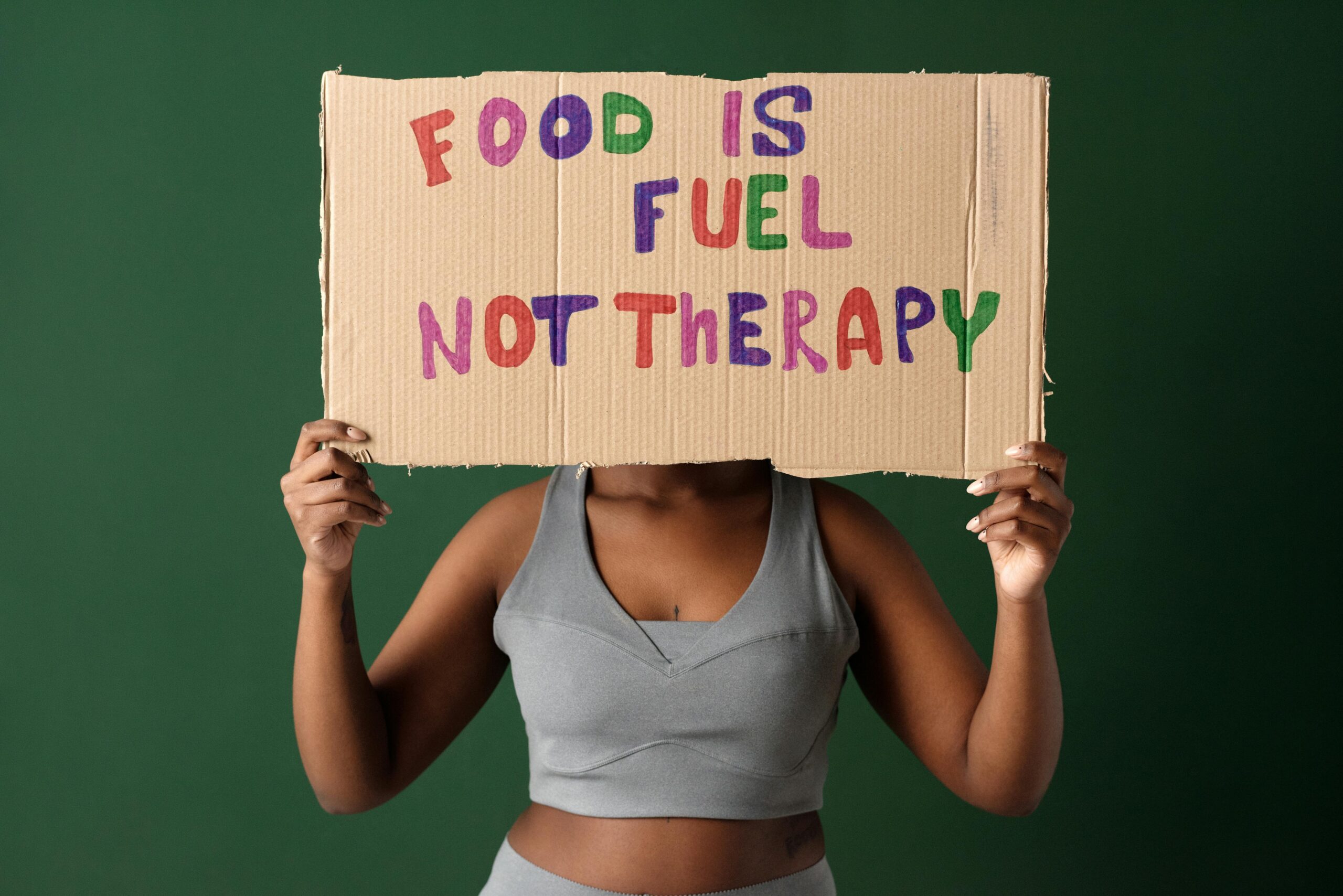
🌟 The Ripple Effects of Emotional Mastery
Developing emotional awareness transforms more than just your internal experience. It fundamentally changes how you move through the world, interact with others, and respond to both challenges and opportunities.
People with strong emotional intelligence tend to have more satisfying relationships because they can communicate their needs clearly, understand others’ perspectives, and navigate conflicts constructively. They experience greater career success because they manage stress effectively, collaborate skillfully, and demonstrate leadership presence.
Perhaps most importantly, emotional mastery creates a sense of agency over your life. Rather than feeling at the mercy of overwhelming feelings or mysterious mood swings, you develop confidence that you can understand, work with, and ultimately shape your emotional experiences.
This doesn’t mean perfect control or constant happiness. It means facing the full spectrum of human emotion with curiosity rather than fear, knowing you have the tools to navigate whatever arises. This fundamental shift from being controlled by emotions to working skillfully with them represents one of the most valuable capabilities you can develop for lifelong wellbeing.
Your emotional patterns tell the story of how you’ve learned to navigate the world. By bringing awareness to these patterns, expanding your emotional vocabulary, and practicing regulation skills, you’re not just managing feelings—you’re authoring a more intentional, responsive, and fulfilling life experience.