
Artificial intelligence is revolutionizing how we understand and respond to human emotions, creating unprecedented opportunities for personal growth, mental health support, and meaningful human-machine interaction.

🎭 The Evolution of Emotion Recognition Technology
The journey of teaching machines to recognize human emotions has been nothing short of remarkable. From early computational models that struggled with basic facial expressions to today’s sophisticated neural networks capable of detecting micro-expressions and vocal nuances, we’ve witnessed exponential growth in emotional AI capabilities.
Modern emotion recognition systems leverage multiple data streams simultaneously. They analyze facial muscle movements, voice tone and pitch variations, body language cues, physiological signals like heart rate, and even textual sentiment in written communication. This multimodal approach creates a comprehensive emotional profile that surpasses what any single detection method could achieve alone.
The technology has matured from laboratory curiosities to practical applications embedded in our daily lives. Smartphone cameras now detect smiles to trigger photo captures. Customer service chatbots adjust their responses based on detected frustration levels. Educational platforms modify content delivery when students appear confused or disengaged. These implementations represent just the beginning of emotion AI’s transformative potential.
🧠 How AI Interprets Human Emotions
Understanding the mechanisms behind emotion recognition reveals the sophisticated engineering powering these systems. At the core lies deep learning—specifically convolutional neural networks trained on massive datasets containing millions of labeled emotional expressions.
These networks learn to identify patterns invisible to the human eye. A genuine smile activates different facial muscles than a forced one, creating subtle differences in the crow’s feet around the eyes. Anxiety manifests in increased speech rate and pitch variability. Sadness often correlates with decreased vocal energy and slower movement patterns.
The process typically unfolds in several stages:
- Data capture through cameras, microphones, or sensors
- Preprocessing to isolate relevant signals and reduce noise
- Feature extraction identifying key emotional indicators
- Pattern classification mapping features to specific emotions
- Confidence scoring indicating certainty of the prediction
- Temporal analysis tracking emotional changes over time
Advanced systems don’t merely categorize emotions into basic buckets like happy, sad, or angry. They map feelings onto dimensional models measuring valence (positive to negative), arousal (calm to excited), and dominance (submissive to dominant), providing nuanced emotional assessments that reflect the complexity of human experience.
💡 Real-World Applications Transforming Lives
The practical applications of emotion recognition extend far beyond novelty features. In healthcare settings, these technologies are becoming invaluable diagnostic and therapeutic tools. Clinicians use emotion AI to monitor patients with depression or anxiety, tracking mood fluctuations between sessions and identifying concerning patterns that might indicate crisis risk.
Autism spectrum disorder therapy has particularly benefited from emotion recognition technology. Individuals who struggle with interpreting facial expressions can practice with AI-powered applications that provide immediate feedback, helping them develop crucial social skills in a low-pressure environment. These systems offer patience and consistency that complements traditional therapeutic approaches.
The automotive industry has integrated emotion detection into advanced driver assistance systems. Cameras monitor driver alertness, detecting drowsiness or distraction before accidents occur. When the system senses dangerous inattention, it triggers warnings or even activates safety measures like gradual deceleration.
Marketing and consumer research have embraced emotion AI to understand authentic reactions to products, advertisements, and brand experiences. Rather than relying on self-reported surveys prone to bias, companies can observe genuine emotional responses, gaining insights into what truly resonates with audiences.
🎓 Education Enhanced Through Emotional Intelligence
Educational technology represents one of the most promising frontiers for emotion-aware AI. Traditional learning environments struggle to provide personalized attention to each student, but intelligent systems can monitor engagement and comprehension in real-time, adjusting accordingly.
When a student exhibits confusion—furrowed brow, decreased eye contact with materials, increased fidgeting—the system can automatically provide additional explanations, alternative examples, or suggest a break. Conversely, when the AI detects boredom from mastered material, it can accelerate pacing or introduce more challenging concepts.
This adaptive learning creates educational experiences tailored to individual emotional and cognitive states. Students receive support precisely when needed, reducing frustration and increasing retention. Teachers gain dashboards showing class-wide emotional trends, identifying topics requiring additional attention or teaching methods that maximize engagement.
Language learning particularly benefits from emotion-aware feedback. Pronunciation practice applications can detect learner frustration when repeatedly struggling with difficult sounds, offering encouragement and breaking challenging phonemes into manageable components. Celebrating small victories with positive reinforcement maintains motivation during the difficult language acquisition process.
🏥 Mental Health Support in the Digital Age
Perhaps nowhere is emotion AI more impactful than mental health care, where access to services remains inadequate globally. Millions suffer from depression, anxiety, and other conditions without receiving treatment due to cost, stigma, or provider shortages. Technology offers pathways to bridge these gaps.
AI-powered mental health applications provide 24/7 availability for those experiencing emotional distress. While not replacing professional therapists, these tools offer immediate coping strategies, mood tracking, and crisis intervention resources. They detect warning signs in user behavior patterns, potentially alerting human clinicians or emergency contacts when intervention appears necessary.
The objectivity of algorithmic emotion detection also provides valuable clinical data. People often struggle to accurately recall or describe their emotional states during therapy sessions. Continuous monitoring generates longitudinal data showing true mood patterns, medication effectiveness, and trigger identification that inform treatment decisions.
Teletherapy platforms incorporate emotion recognition to enhance remote sessions. Therapists receive real-time emotional state information supplementing what they observe directly, compensating for the reduced nonverbal communication inherent in video consultations. This technology helps maintain therapeutic rapport despite physical distance.
🔐 Privacy Considerations and Ethical Frameworks
The power to detect and analyze emotions raises significant privacy and ethical concerns requiring thoughtful consideration. Emotional data reveals intimate aspects of our inner lives—information that demands robust protection from misuse.
Regulatory frameworks are evolving to address these challenges. The European Union’s artificial intelligence regulations classify emotion recognition as high-risk technology requiring strict safeguards. Questions surrounding consent become complex when emotion detection happens passively through existing cameras or microphones.
Organizations implementing emotion AI must establish clear policies addressing several critical areas:
- Transparent disclosure when emotion recognition is active
- Explicit consent requirements for data collection and use
- Limitations on data retention and sharing practices
- Security measures protecting emotional data from breaches
- User rights to access, correct, or delete their information
- Prohibition of discriminatory uses based on emotional profiles
The potential for manipulation presents another ethical dimension. If systems accurately predict emotional vulnerabilities, could they exploit these states for commercial gain? Advertising that triggers insecurity precisely when someone is most susceptible crosses ethical boundaries that require industry standards and oversight.
🌍 Cultural Dimensions of Emotional Expression
Emotion recognition technology faces unique challenges stemming from cultural diversity in emotional expression. While some emotions show universal characteristics across cultures, significant variations exist in how feelings are displayed, interpreted, and considered socially appropriate.
Western cultures generally encourage expressive emotional display, while many Asian cultures value emotional restraint and subtle communication. A system trained predominantly on Western facial expressions may misinterpret or fail to detect emotions expressed differently in other cultural contexts. This creates accuracy disparities that could reinforce biases.
Addressing cultural diversity requires training datasets representing global emotional expression patterns. Researchers must collaborate across cultures, ensuring algorithms learn the full spectrum of human emotional communication. Context-awareness becomes crucial—the same expression may signal different emotions depending on cultural background and situational factors.
Language adds another layer of complexity. Emotional vocabulary varies significantly across languages, with some cultures having words for emotions that don’t directly translate elsewhere. Effective emotion AI must account for these linguistic nuances when analyzing text or speech for emotional content.
🚀 Future Horizons: Where Emotion AI is Heading
The trajectory of emotion recognition technology points toward increasingly sophisticated, seamless integration into daily life. Emerging developments promise capabilities that seem almost science fiction today but will become commonplace tomorrow.
Wearable devices will provide continuous emotional monitoring through physiological signals like heart rate variability, skin conductance, and even biochemical markers detected in sweat. These measurements offer objective emotional data complementing external behavioral observations, creating comprehensive emotional profiles.
Brain-computer interfaces represent the ultimate frontier in emotion detection. Technologies reading neural activity directly could identify emotional states before they manifest in expression or behavior. While currently experimental, these interfaces may eventually provide unprecedented insight into human emotional experience.
Affective computing—systems that respond emotionally—will become more sophisticated. Future AI assistants won’t merely recognize your frustration; they’ll adjust their communication style, offer empathy, and adapt their approach to match your emotional needs. These emotionally intelligent machines will feel less like tools and more like companions.
Virtual and augmented reality environments will incorporate emotion AI to create responsive experiences that adapt to user feelings. Therapeutic VR applications for phobia treatment or PTSD could adjust exposure intensity based on detected anxiety levels, maximizing treatment effectiveness while maintaining safety.
🤝 Building Better Human-AI Collaboration
The ultimate promise of emotion recognition technology lies not in replacing human emotional intelligence but augmenting it. By handling routine emotional monitoring and basic response, AI frees humans to focus on complex emotional situations requiring genuine empathy and nuanced judgment.
Healthcare providers supported by emotion AI can spend less time gathering baseline emotional information and more time on meaningful therapeutic interaction. Teachers can identify students needing extra support without constant direct monitoring. Customer service representatives receive emotional context helping them respond more effectively to client needs.
This collaboration requires trust built through transparency and reliability. Systems must explain their emotional assessments, allowing humans to understand and verify AI conclusions. When disagreement occurs between human and machine emotional interpretations, we need frameworks for resolution that respect both technological capability and human intuition.
Training for working with emotion AI becomes essential. Professionals across industries must understand these systems’ capabilities and limitations, interpreting outputs appropriately and recognizing when human judgment should override algorithmic suggestions. Emotional intelligence remains fundamentally human, with technology serving as a powerful enhancement tool.
🎯 Implementing Emotion AI Responsibly
Organizations considering emotion recognition technology must approach implementation thoughtfully, balancing innovation’s benefits against potential risks. Successful deployment requires technical excellence, ethical consideration, and stakeholder engagement.
Begin with clear use case definition. What specific problems will emotion AI address? How will success be measured? Vague objectives lead to unfocused implementations that fail to deliver value. Concrete goals guide technology selection and evaluation.
Pilot programs allow testing in controlled environments before broad deployment. Start small, gather feedback, identify issues, and refine approaches. This iterative process prevents costly mistakes and builds organizational competence with new technology.
Stakeholder communication throughout implementation ensures transparency and builds trust. Employees, customers, or users affected by emotion AI deserve clear explanations of how systems work, what data they collect, and how information will be used. Address concerns proactively rather than defensively after problems emerge.
Continuous monitoring and evaluation remain essential post-implementation. Emotion AI isn’t a “set and forget” technology. Regular accuracy assessments, bias audits, and user satisfaction surveys ensure systems continue meeting objectives without causing unintended harm.
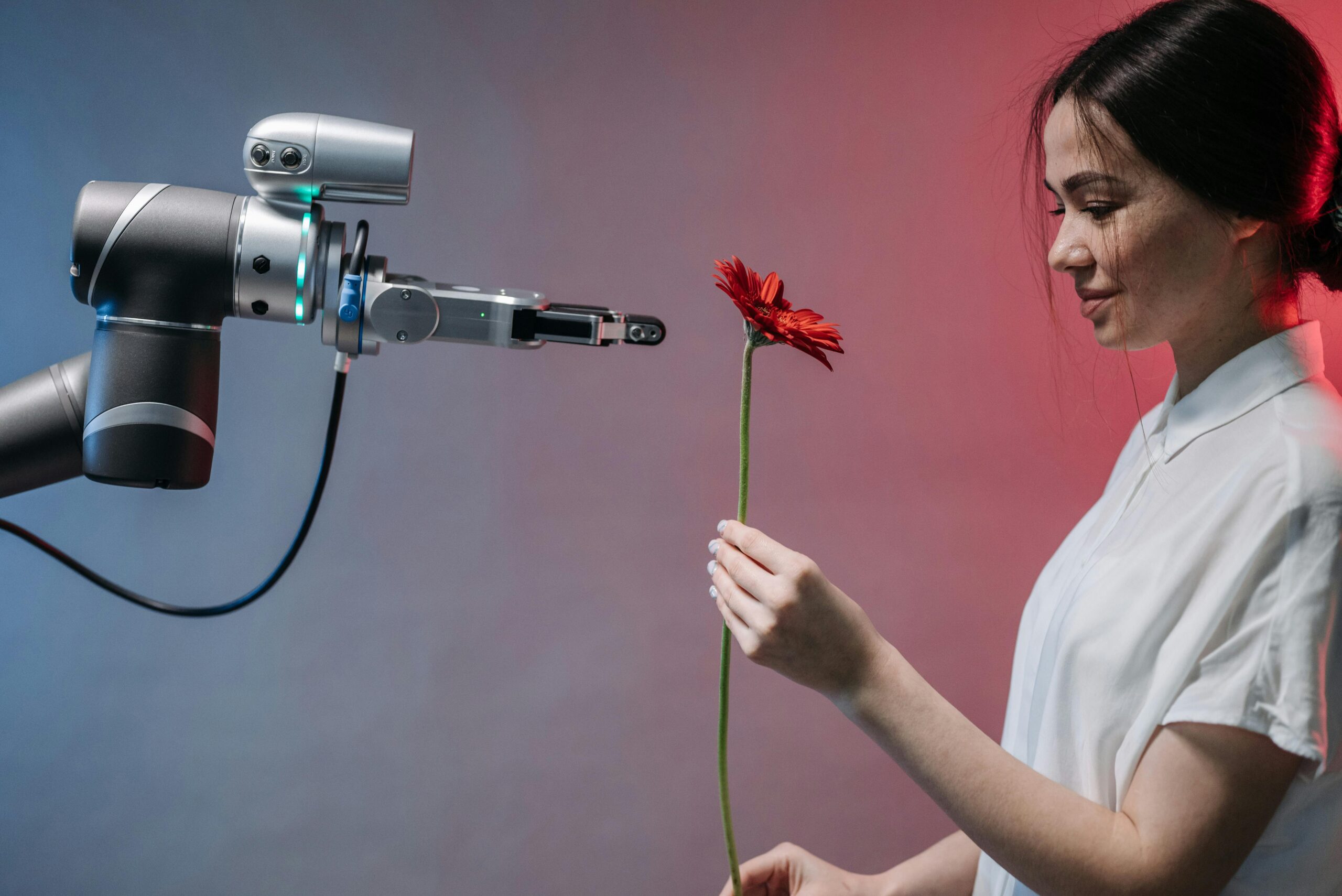
🌟 The Human Element Remains Central
As we unlock emotion AI’s power, we must remember that technology serves humanity rather than replacing it. The most sophisticated algorithm cannot replicate the depth of human emotional connection—the shared laughter, comforting presence, or unspoken understanding that defines our most meaningful relationships.
Emotion recognition technology succeeds when it enhances rather than diminishes human connection. In healthcare, it helps providers care for more people without sacrificing quality. In education, it enables teachers to reach every student. In daily life, it removes friction from technology interaction, making digital experiences more natural and responsive.
The future we’re building with emotion AI should amplify our humanity, not diminish it. Technology that helps us understand each other better, respond more compassionately, and support those struggling emotionally creates a better tomorrow for everyone. By developing these capabilities responsibly with ethics and human dignity at the forefront, we harness AI’s transformative potential while preserving what makes us fundamentally human.
The journey toward emotionally intelligent technology has only begun. As capabilities expand and applications multiply, our collective responsibility grows to ensure these powerful tools serve human flourishing. The power of AI-enhanced emotion recognition isn’t just technical—it’s the power to create more empathetic, understanding, and connected human experiences in an increasingly digital world. 🚀