
Modern science reveals that your brain’s performance isn’t fixed—it can be optimized through cutting-edge neurofeedback and biofeedback technologies that transform mental and physical wellness.

🧠 The Revolutionary Science Behind Brain Training Technologies
Neurofeedback and biofeedback represent a paradigm shift in how we approach mental health, cognitive performance, and overall wellness. These technologies allow us to measure, monitor, and modify our brain activity and physiological responses in real-time, creating unprecedented opportunities for self-directed healing and optimization.
At their core, these technologies operate on a simple yet profound principle: when we can see what’s happening inside our bodies and brains, we can learn to control it. This process, known as operant conditioning, enables the nervous system to self-regulate more effectively, leading to lasting improvements in mental clarity, emotional balance, and physical health.
Neurofeedback specifically focuses on brainwave patterns, measuring electrical activity through electroencephalography (EEG) sensors placed on the scalp. These sensors detect different frequency bands—delta, theta, alpha, beta, and gamma waves—each associated with distinct mental states ranging from deep sleep to peak concentration.
Understanding the Difference: Neurofeedback vs. Biofeedback
While often mentioned together, neurofeedback and biofeedback target different physiological systems. Neurofeedback is actually a specialized form of biofeedback that exclusively monitors brain activity. Traditional biofeedback encompasses a broader range of bodily functions including heart rate variability, muscle tension, skin temperature, and respiratory patterns.
Both approaches share the same fundamental mechanism: providing real-time information about physiological processes that normally operate below conscious awareness. This feedback loop—typically delivered through visual displays, audio signals, or even video games—trains your nervous system to achieve and maintain optimal states.
The Neurofeedback Protocol Landscape
Neurofeedback practitioners employ various training protocols depending on individual needs and goals. Alpha-theta training promotes deep relaxation and creativity, while SMR (sensorimotor rhythm) training enhances focus and reduces impulsivity. Beta training can improve attention and executive function, particularly beneficial for individuals with ADHD.
More advanced protocols like LORETA (Low Resolution Electromagnetic Tomography) provide three-dimensional mapping of brain activity, allowing for precise targeting of specific neural networks. This represents a significant advancement over traditional surface EEG approaches, enabling practitioners to address complex conditions with greater precision.
🎯 Transformative Applications for Mental Health and Performance
The therapeutic applications of neurofeedback and biofeedback extend far beyond simple relaxation. Clinical research demonstrates significant efficacy for numerous conditions that traditionally rely on pharmaceutical interventions or lengthy psychotherapy.
Anxiety disorders respond particularly well to biofeedback training. By learning to control heart rate variability and breathing patterns, individuals develop tangible skills for managing panic attacks and generalized anxiety. Unlike medication, these skills become permanent tools that don’t require ongoing intervention.
ADHD and Cognitive Enhancement
Attention deficit hyperactivity disorder has become one of the most researched applications for neurofeedback therapy. Multiple studies demonstrate that neurofeedback produces comparable results to stimulant medications, with effects persisting long after training concludes. Children and adults learn to increase beta wave activity associated with focused attention while reducing theta waves linked to distraction.
Beyond clinical populations, high-performing individuals use neurofeedback to achieve peak cognitive states. Athletes, executives, and artists employ these technologies to enter flow states more reliably, enhance creativity, and maintain concentration during high-pressure situations.
Sleep Optimization and Recovery
Sleep disorders plague millions worldwide, with conventional treatments offering limited success and potential side effects. Neurofeedback training targeting slower brainwave frequencies helps individuals transition into restorative sleep naturally. Many people report not just falling asleep faster, but experiencing deeper, more refreshing rest.
Biofeedback apps that monitor heart rate variability provide valuable insights into recovery status, helping athletes and busy professionals optimize their training and work schedules based on objective physiological data rather than subjective feelings.
The Technology Behind the Transformation
Modern neurofeedback and biofeedback systems range from clinical-grade equipment costing thousands of dollars to consumer devices accessible for home use. Understanding the technological landscape helps individuals make informed decisions about which tools best serve their wellness goals.
Clinical neurofeedback systems typically use medical-grade EEG amplifiers with 19 or more channels, providing comprehensive brain mapping capabilities. These systems allow practitioners to create personalized training protocols based on quantitative EEG assessments that identify specific areas of dysregulation.
Consumer-Grade Devices and Applications
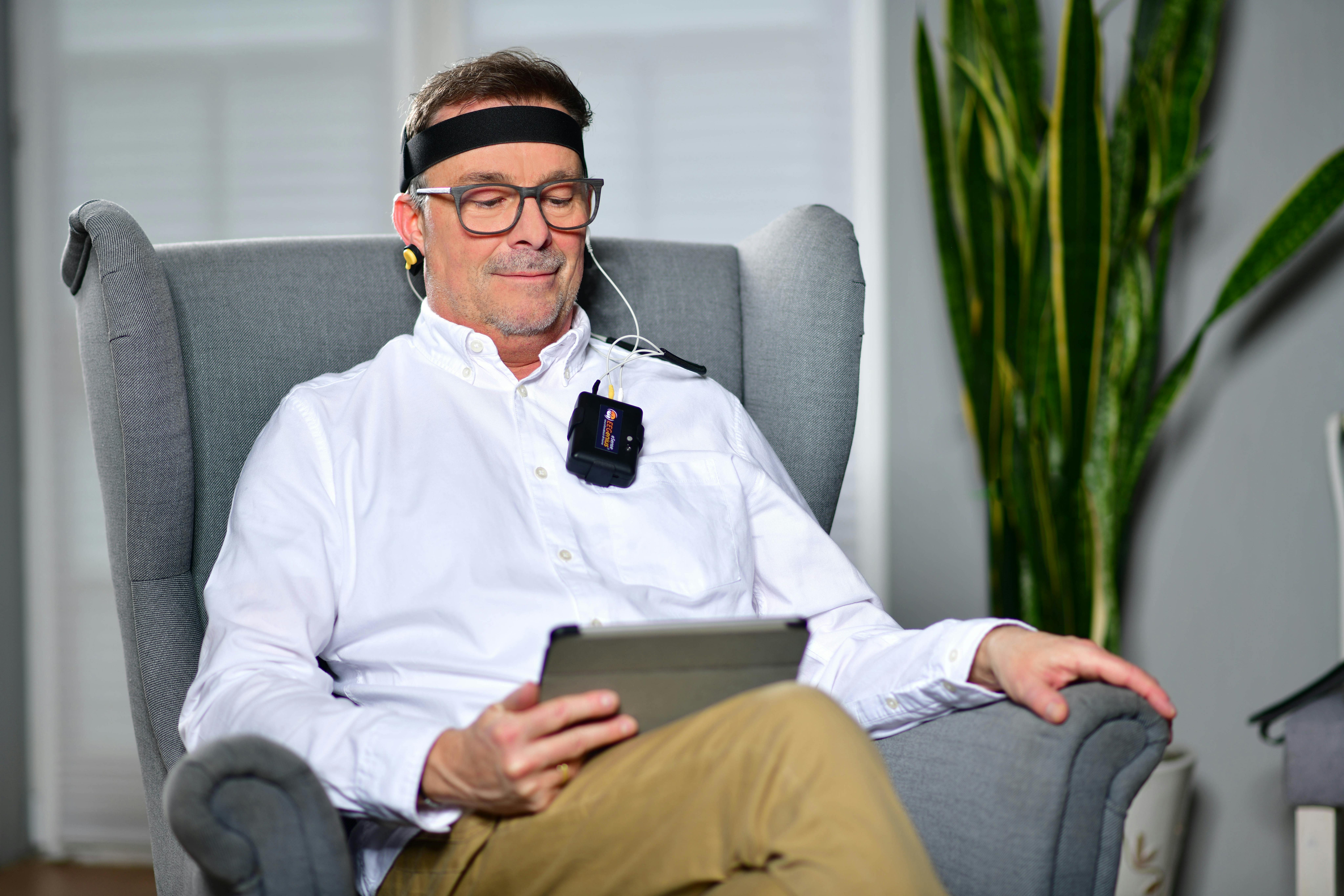
The democratization of neurofeedback technology has brought remarkable innovations to the consumer market. Headband devices with simplified sensor arrays now provide legitimate neurofeedback training at a fraction of traditional costs. While less comprehensive than clinical systems, these tools offer genuine benefits for stress management, meditation enhancement, and focus training.
Wearable biofeedback devices have exploded in popularity, with smartwatches and fitness trackers incorporating heart rate variability monitoring, stress tracking, and breathing exercises. These mainstream technologies introduce millions to the principles of biofeedback, creating awareness of the mind-body connection.
⚡ Building Your Personal Brain Training Practice
Implementing neurofeedback and biofeedback into your wellness routine requires understanding both the science and the practical considerations. Success depends not just on technology, but on consistent practice, proper guidance, and realistic expectations.
For those seeking clinical-grade interventions, working with certified practitioners ensures appropriate protocol selection and ongoing adjustment. Organizations like the Biofeedback Certification International Alliance (BCIA) provide practitioner directories, helping individuals locate qualified professionals in their area.
Home-Based Training Strategies
Consumer devices enable daily practice that complements or extends clinical sessions. Establishing a consistent routine maximizes neuroplastic changes—the brain’s ability to form new neural pathways. Most experts recommend sessions of 20-30 minutes, three to five times weekly, with noticeable improvements typically emerging after 20-40 sessions.
Creating an optimal training environment enhances results. Choose a quiet space free from distractions, maintain comfortable temperature, and consider training at consistent times to establish neurological patterns. Many practitioners recommend morning sessions when the mind is fresh and less burdened by daily stressors.
Combining Modalities for Synergistic Benefits
The most powerful results often emerge from integrating multiple approaches. Pairing neurofeedback with mindfulness meditation amplifies both practices, as meditation provides the intentional mental states that neurofeedback reinforces. Similarly, combining heart rate variability biofeedback with breathing exercises creates a comprehensive stress management system.
Nutritional optimization supports neurological health and training effectiveness. Omega-3 fatty acids, B vitamins, and adequate hydration all influence brain function and neuroplasticity. Some practitioners incorporate nutritional assessments into comprehensive brain training programs.
💡 The Neuroscience of Self-Regulation
Understanding the mechanisms underlying neurofeedback enhances appreciation for its potential and guides realistic expectations. The brain operates through networks of neurons communicating via electrical impulses, creating oscillating patterns measurable as brainwaves.
Different mental states correspond to distinct brainwave patterns. Delta waves (0.5-4 Hz) dominate deep sleep, theta waves (4-8 Hz) appear during light sleep and deep meditation, alpha waves (8-12 Hz) characterize relaxed alertness, beta waves (12-30 Hz) accompany active thinking, and gamma waves (30-100 Hz) associate with peak cognitive performance.
Neuroplasticity: The Foundation of Lasting Change
The brain’s remarkable capacity to reorganize itself—neuroplasticity—makes neurofeedback possible. Each training session strengthens neural pathways associated with desired states while weakening maladaptive patterns. This process mirrors learning any skill, from playing piano to speaking languages.
Research using functional MRI and other imaging technologies confirms that neurofeedback produces measurable structural changes in the brain. Studies demonstrate increased gray matter density in targeted regions and altered connectivity patterns between brain networks following training protocols.
Addressing Common Concerns and Misconceptions
Despite growing evidence and clinical adoption, neurofeedback and biofeedback face skepticism rooted in misconceptions. Addressing these concerns helps individuals make informed decisions about incorporating these technologies into their wellness strategies.
Some critics question whether neurofeedback produces specific effects beyond placebo responses. However, double-blind studies and research with populations unable to generate placebo effects (such as animals and individuals in vegetative states) demonstrate genuine physiological changes independent of expectation.
Safety Profile and Side Effects
Neurofeedback and biofeedback are remarkably safe, with minimal risk of adverse effects. Unlike pharmaceutical interventions, these approaches don’t introduce foreign substances into the body. The most commonly reported side effects include temporary fatigue or mild headaches following intensive sessions, typically resolving quickly.
Proper protocol selection matters significantly. Poorly designed training can potentially reinforce unhelpful patterns, emphasizing the importance of working with qualified practitioners, especially when addressing clinical conditions. Home users should follow manufacturer guidelines and start conservatively.
🌟 Future Horizons in Brain-Computer Interfaces
The convergence of neurotechnology, artificial intelligence, and consumer electronics promises revolutionary advances in brain training capabilities. Machine learning algorithms now analyze EEG patterns with unprecedented sophistication, automatically adapting training protocols to individual responses.
Virtual reality integration creates immersive neurofeedback experiences where brain states directly control virtual environments. Imagine navigating a peaceful landscape that only remains visible when you maintain meditative alpha states, or playing games where focus determines performance—providing engaging, gamified training especially appealing to younger users.
Predictive Analytics and Personalized Protocols
Emerging systems combine genetic testing, comprehensive brain mapping, and lifestyle data to create highly personalized training recommendations. This precision approach identifies individual neurological signatures and predicts which protocols will yield optimal results, reducing trial-and-error and accelerating outcomes.
Mobile technology continues expanding accessibility. Sophisticated algorithms now extract meaningful biofeedback data from smartphone cameras and standard earbuds, potentially bringing basic training capabilities to billions without specialized equipment.
Integrating Mind-Body Wellness Into Daily Life
Sustainable transformation requires integrating lessons from neurofeedback and biofeedback into everyday routines. These technologies provide training wheels for self-regulation, but the ultimate goal involves internalizing these capabilities until conscious devices become unnecessary.
Mindful awareness throughout daily activities extends training benefits. Notice physical sensations during stress, consciously adjust breathing patterns, and recognize thought patterns that trigger dysregulation. This moment-to-moment awareness transforms abstract training into lived experience.
Building Resilience Through Consistent Practice
Resilience—the capacity to adapt to challenges and recover from setbacks—develops through repeated exposure to self-regulation practices. Neurofeedback and biofeedback provide structured frameworks for building this fundamental life skill, creating psychological flexibility that serves individuals across all life domains.
Community support amplifies individual efforts. Online forums, local practice groups, and social media communities connect practitioners who share experiences, troubleshoot challenges, and celebrate progress. This social dimension addresses the isolation that often accompanies mental health struggles.
Empowering Your Wellness Journey
The landscape of neurofeedback and biofeedback technologies offers unprecedented opportunities for individuals seeking agency over their mental and physical wellness. These tools represent more than therapeutic interventions—they embody a philosophy of empowerment, placing individuals at the center of their healing journey.
Whether addressing clinical conditions, optimizing performance, or simply seeking greater self-awareness, these technologies provide concrete pathways toward transformation. The investment of time, resources, and commitment yields dividends that extend far beyond symptom relief, fostering deeper understanding of the intricate mind-body connection.
Your brain possesses remarkable plasticity and potential, waiting to be unlocked through intentional training and awareness. The technologies discussed here provide keys to accessing capabilities that might otherwise remain dormant. As research continues expanding our understanding and technology becomes increasingly accessible, the future of personal wellness looks brighter than ever.
Begin where you are, with whatever resources you have available. Whether that means consulting a clinical practitioner, experimenting with consumer devices, or simply bringing more mindful awareness to your physiological states, each step forward builds momentum toward optimal mind-body wellness. Your brain’s potential is vast—these technologies help you harness it. 🚀