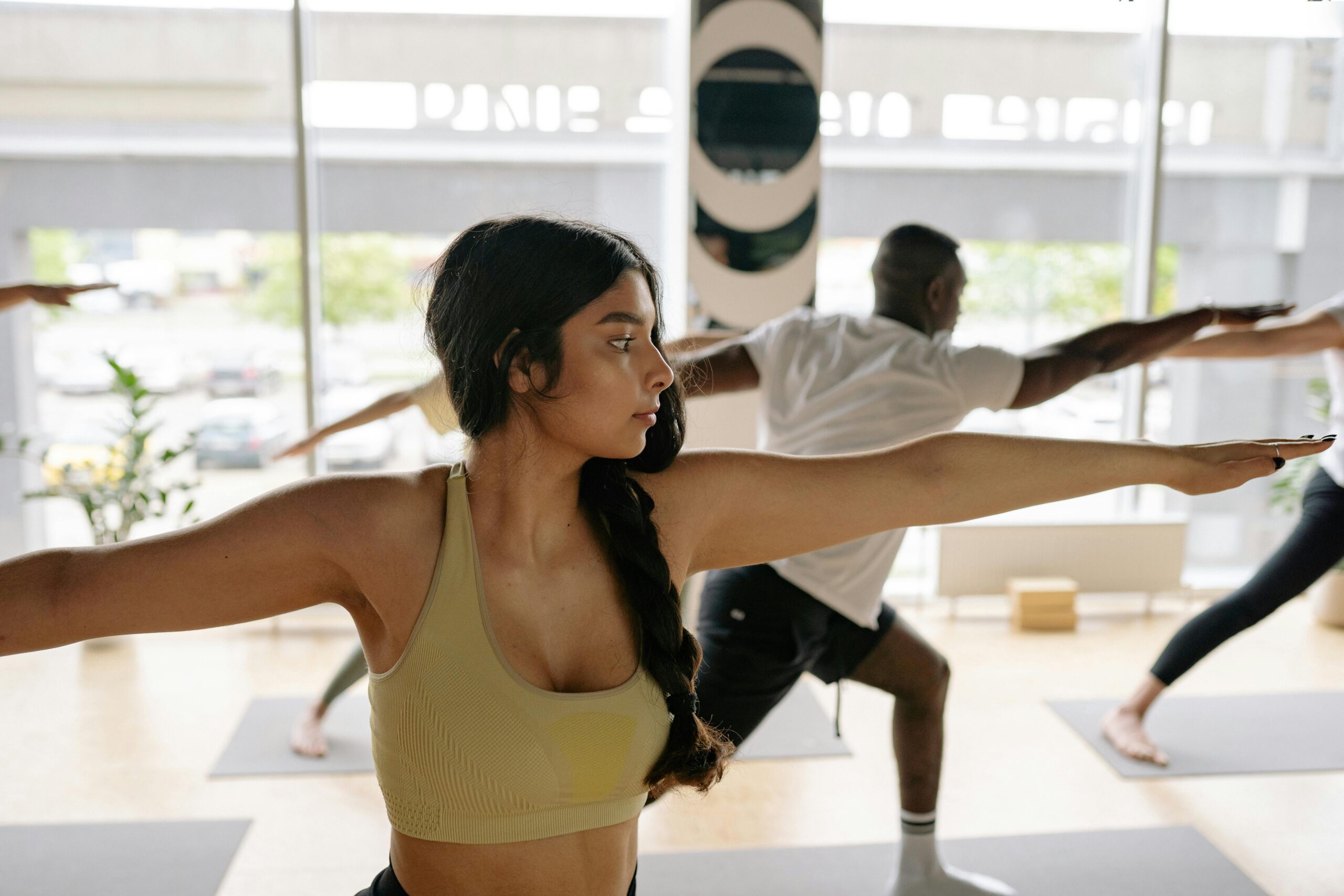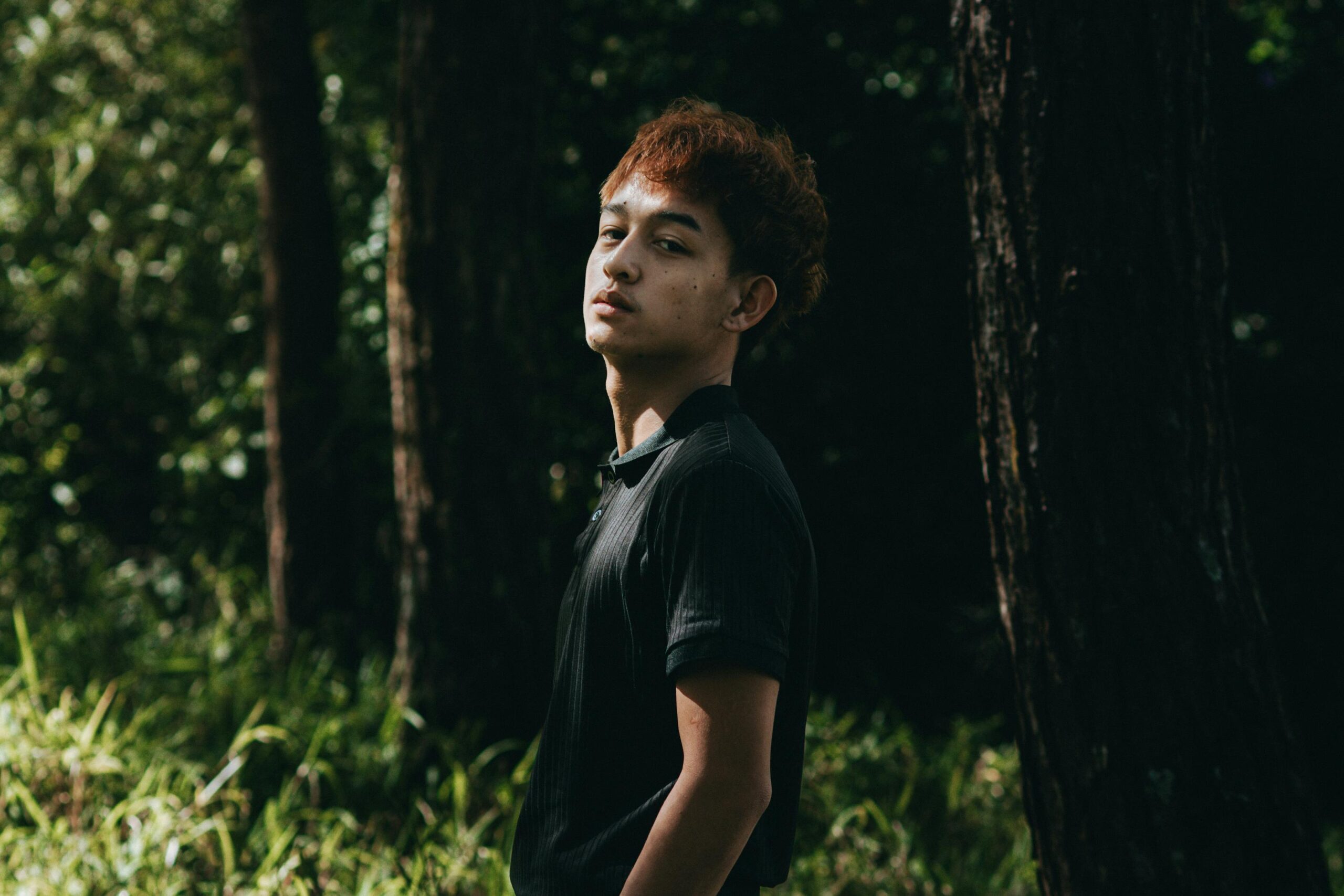
In our increasingly interconnected world, the practice of cross-cultural mindfulness has emerged as a transformative tool for building bridges between diverse communities and fostering genuine understanding across borders. 🌍

The ability to navigate cultural differences with awareness, compassion, and openness isn’t just a valuable skill—it’s becoming essential for personal growth, professional success, and global harmony. As our societies become more diverse and our interactions increasingly transcend geographical boundaries, developing cross-cultural mindfulness can unlock unprecedented opportunities for collaboration, innovation, and mutual respect.
Cross-cultural mindfulness extends beyond simple cultural awareness or tolerance. It represents a deeper commitment to understanding the underlying values, beliefs, and practices that shape different worldviews, while maintaining a non-judgmental awareness of our own cultural conditioning and biases. This approach creates space for authentic connection and meaningful dialogue across differences.
The Foundation of Cross-Cultural Mindfulness
Cross-cultural mindfulness begins with self-awareness. Before we can truly appreciate and understand others’ cultural perspectives, we must first recognize our own cultural lens and the assumptions it creates. Every individual views the world through a framework shaped by their upbringing, language, traditions, and social experiences. These cultural filters influence everything from how we interpret body language to our concepts of time, success, and relationships.
Developing this awareness requires honest self-reflection and a willingness to question what we’ve always taken for granted. It means acknowledging that our way of doing things isn’t the only valid approach, and that different doesn’t mean deficient. This fundamental shift in perspective opens the door to genuine curiosity about other cultures rather than quick judgments based on our own standards.
The practice also involves cultivating what researchers call “cultural humility”—an ongoing commitment to self-evaluation and self-critique regarding one’s cultural assumptions. Unlike cultural competence, which suggests a finite endpoint, cultural humility recognizes that learning about other cultures is a lifelong journey without a final destination. 🧘
Breaking Down the Barriers to Cultural Understanding
Several obstacles commonly prevent people from developing cross-cultural mindfulness. Recognizing these barriers is the first step toward overcoming them and building more meaningful intercultural relationships.
Unconscious Bias and Stereotyping
Our brains naturally categorize information to process the world efficiently, but this mechanism can lead to oversimplified and often inaccurate generalizations about cultural groups. These unconscious biases operate automatically, influencing our perceptions and behaviors toward people from different backgrounds without our conscious awareness.
Combating these biases requires active effort. Mindfulness practices help us pause before reacting, creating space to notice when stereotypes are influencing our thinking. By bringing these automatic thoughts into conscious awareness, we can choose more thoughtful and equitable responses.
Ethnocentrism and Cultural Superiority
Ethnocentrism—the tendency to view one’s own culture as central and superior to others—represents another significant barrier. This perspective leads people to evaluate other cultures against their own standards, inevitably finding them lacking. It prevents the appreciation of different values, practices, and worldviews on their own terms.
Overcoming ethnocentrism requires developing cultural relativism, the ability to understand cultural practices within their own context rather than judging them by external standards. This doesn’t mean abandoning all moral principles, but rather approaching differences with curiosity and a genuine desire to understand before evaluating.
Communication Challenges and Misunderstandings
Language barriers represent only the most obvious communication challenge in cross-cultural interactions. Even when people share a common language, differences in communication styles, non-verbal cues, and contextual expectations can lead to significant misunderstandings.
Some cultures favor direct, explicit communication while others rely heavily on context, relationship, and implicit understanding. Recognizing these differences and adapting our communication approach accordingly demonstrates cultural mindfulness in action.
Practical Strategies for Developing Cross-Cultural Mindfulness
Cultivating cross-cultural mindfulness is an active process that requires intentional practice and ongoing commitment. The following strategies can help individuals develop this essential skill set.
Practice Daily Mindfulness Meditation
Regular mindfulness meditation strengthens our ability to observe thoughts and reactions without immediate judgment—a skill directly applicable to cross-cultural interactions. Even ten minutes of daily practice can enhance our capacity to pause, notice our assumptions, and respond more thoughtfully when encountering cultural differences.
Meditation apps can support this practice by providing guided sessions specifically focused on developing compassion, overcoming bias, and expanding awareness. These tools make mindfulness more accessible for beginners while offering structured progression for experienced practitioners.
Engage in Active Listening Across Cultures
Active listening becomes even more critical in cross-cultural contexts. This means fully focusing on what the other person is communicating—through words, tone, and body language—without planning your response or filtering their message through your cultural assumptions.
When engaging with someone from a different cultural background, practice asking open-ended questions to understand their perspective more deeply. Reflect back what you’ve heard to confirm understanding. Be comfortable with silence, which may hold different meanings across cultures. Most importantly, approach conversations with genuine curiosity rather than the need to be right.
Seek Diverse Experiences and Perspectives
Intentionally diversifying your experiences builds cross-cultural understanding organically. This might include reading literature from different cultures, watching international films, attending cultural festivals, or learning a new language. Each of these activities provides windows into different ways of seeing and experiencing the world.
Building genuine relationships with people from diverse backgrounds offers the most profound learning opportunities. These connections move beyond abstract cultural knowledge to personal understanding of how cultural factors shape individual lives, challenges, and aspirations.
The Transformative Benefits of Cross-Cultural Mindfulness ✨
Developing cross-cultural mindfulness yields benefits that extend far beyond improved intercultural interactions, positively impacting multiple dimensions of personal and professional life.
Enhanced Creativity and Innovation
Exposure to diverse perspectives and approaches fundamentally expands our creative capacity. When we understand multiple ways of solving problems or viewing challenges, we can draw from a richer palette of ideas and strategies. Research consistently shows that diverse teams generate more innovative solutions than homogeneous groups, precisely because they bring different mental models and approaches to the table.
Cross-cultural mindfulness amplifies these benefits by enabling us to truly appreciate and integrate diverse perspectives rather than simply tolerating them. This deeper engagement with difference becomes a catalyst for breakthrough thinking.
Improved Emotional Intelligence and Empathy
The practice of understanding others’ cultural contexts while managing our own reactions significantly develops emotional intelligence. We become more skilled at recognizing emotions in diverse expressions, understanding varied perspectives, and navigating complex social situations with greater sensitivity.
This enhanced empathy extends beyond intercultural situations, improving all our relationships. The skills we develop to understand someone from a radically different background help us relate more effectively to everyone we encounter.
Greater Professional Opportunities
In our globalized economy, cross-cultural mindfulness has become a highly valued professional competency. Organizations increasingly recognize that success in international markets, managing diverse teams, and serving multicultural customer bases requires leaders and employees who can navigate cultural differences skillfully.
Professionals who demonstrate cultural agility—the ability to work effectively across cultural contexts—enjoy expanded career opportunities, from international assignments to leadership positions in diverse organizations. This skill set has transitioned from a nice-to-have to a must-have in many industries.
Building Bridges in a Divided World 🌉
Perhaps the most crucial benefit of cross-cultural mindfulness emerges at the societal level. In an era marked by polarization, nationalism, and intercultural tension, the practice of mindful engagement across differences becomes not just beneficial but essential for social cohesion and peace.
Reducing Prejudice and Discrimination
Research in social psychology demonstrates that meaningful contact between groups, particularly when characterized by equal status and cooperative goals, significantly reduces prejudice. Cross-cultural mindfulness enhances these interactions by ensuring they’re approached with awareness, respect, and openness rather than defensiveness or superiority.
When individuals practice observing their biases without judgment and engaging with different cultures with curiosity, they naturally develop more nuanced, accurate, and positive views of cultural groups previously seen as “other.” This shift in individual consciousness contributes to broader social change.
Creating Inclusive Communities
Communities characterized by cross-cultural mindfulness are more welcoming, equitable, and cohesive. When residents approach cultural differences as opportunities for learning rather than threats to be managed, they create environments where everyone can contribute fully and authentically.
This inclusivity generates practical benefits: reduced conflict, increased civic engagement, enhanced problem-solving capacity, and greater community resilience. Diverse communities with high levels of cultural mindfulness leverage their diversity as a strength rather than struggling against it as a challenge.
Raising the Next Generation with Cultural Awareness 👶
Parents and educators play crucial roles in developing cross-cultural mindfulness in young people. Children naturally possess curiosity about differences, but they also absorb the attitudes and biases of adults around them. By modeling cultural mindfulness, we shape future generations capable of navigating an increasingly diverse world.
Exposing children to diverse cultures through books, media, experiences, and relationships normalizes diversity from an early age. Equally important is discussing differences openly and positively, answering children’s questions honestly, and helping them develop critical thinking about stereotypes they encounter.
Educational institutions can incorporate cross-cultural mindfulness into curricula across subjects, from history and literature to science and mathematics. This integration helps students understand that diverse perspectives and contributions have shaped human knowledge and achievement throughout history.
Navigating Challenges on the Journey
The path to cross-cultural mindfulness isn’t always smooth. Practitioners inevitably encounter moments of discomfort, confusion, or even unintentional offense. These challenges are not failures but opportunities for deeper learning and growth.
When misunderstandings occur, approach them with self-compassion and a commitment to learning rather than defensiveness or guilt. Acknowledge mistakes honestly, listen to feedback with openness, and adjust your approach accordingly. This humble response to missteps models the growth mindset essential for cross-cultural competence.
It’s also important to recognize that cross-cultural mindfulness requires ongoing effort and attention. Cultural understanding isn’t achieved once and then possessed forever; it requires continuous learning as cultures evolve and our own awareness deepens. Viewing this as a lifelong journey rather than a destination prevents complacency and keeps us engaged in the practice.

Moving Forward Together 🤝
Cross-cultural mindfulness represents one of the most powerful tools available for addressing the complex challenges facing our interconnected world. From climate change to global health, economic inequality to political polarization, the most pressing issues of our time require collaboration across cultural boundaries.
By developing our capacity to engage mindfully with cultural differences—in our neighborhoods, workplaces, online communities, and international relationships—we contribute to a more harmonious, creative, and just world. This practice doesn’t require us to abandon our own cultural identities or values; rather, it asks us to hold them lightly enough to appreciate the richness that other traditions and perspectives offer.
The work begins with each individual’s commitment to awareness, curiosity, and compassion in their daily encounters with difference. As more people embrace cross-cultural mindfulness, the cumulative effect creates ripples of understanding that extend far beyond individual interactions, gradually transforming communities, organizations, and societies.
In embracing diversity through cross-cultural mindfulness, we don’t simply tolerate differences—we actively unlock their power to enrich our lives, expand our thinking, and unite us in our shared humanity. This shift in perspective, from seeing diversity as a challenge to recognizing it as an opportunity, may be one of the most important transformations individuals and societies can undertake in building a more harmonious future for all.
The journey toward cross-cultural mindfulness begins with a single step: the decision to approach the next encounter with someone different from yourself with genuine curiosity, open awareness, and compassionate presence. That simple choice, repeated consistently, has the power to change not only your life but the world around you. 🌟